Call Us
Goosnargh:
Lytham Road:
Kirkham:

Sweep – Ovarian Cysts

sweep illman ovarian cysts (1)

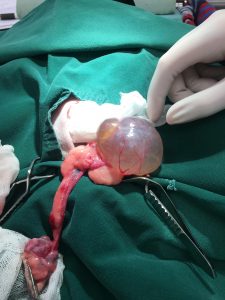
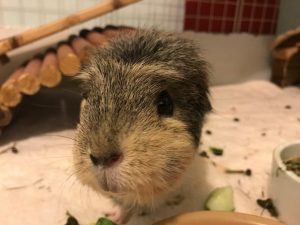
Sweep was presented to us for investigation of severe abdominal enlargement which was being caused by her large ovarian cysts.

Ovarian cysts are very common in middle-aged to older female guinea pigs and can cause problems such as pain, inappetence, interference with mobility and hair loss. Sweep did not have hair loss with her cysts and she continued to eat well, but they were so large that they were taking up a lot of space in her abdomen and causing her to have difficulty moving around.

Hormonal treatments had been tried for Sweep in the past with limited success and it was advised that she be spayed in order to definitively treat the condition and prevent recurrence. Spaying involves removal of both ovaries and the uterus under anaesthesia. Because Sweep’s cysts were very large, they had to be drained before the ovaries could be removed!

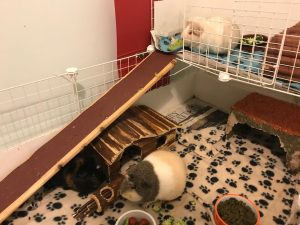
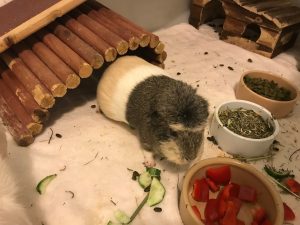
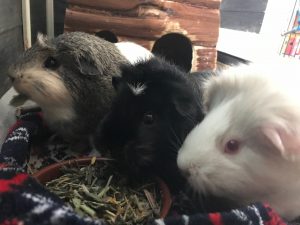
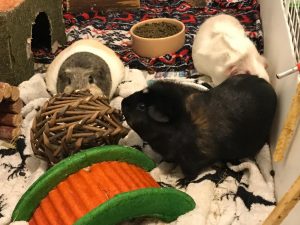
Sweep recovered very well following her operation and was soon back at home with her friends and her very dedicated owners, who report a significant improvement in her movement and activity. She was a perfect patient (especially when veggies were involved!) and it was a pleasure to look after her during her stay in the clinic and at her check-ups.

guinea pig preston vetsguinea pig surgery vetsguinea pig ovarian cystguinea pig surgeryguinea pig

Anti-freeze poisoning in pets

As the weather gets colder many of us will use anti-freeze in our car engines, but while it’s convenient for us, it’s also very dangerous to our pets.

While many people may think, ‘why would my cat or dog go near anti-freeze?’ well, Ethylene glycol- the main ingredient in most anti-freeze brands has an inviting aroma and sweet flavour. Its appealing smell and taste often tempts animal into tasting it.

Anti-freeze is found in car radiators and some screen washes, but it is extremely toxic to both dogs and cats. As our pets like drinking from ditches, puddles and ponds, it could mean they’re prone to drinking water contaminated with anti-freeze. Anti-freeze can also be found in some inks and snow globes.

The active ingredient of many anti-freezes, ethylene glycol, is rapidly absorbed into the body after drinking. Within hours it causes severe kidney damage, which is very difficult to treat. In one report involving 25 cat cases, 96% of those affected died.

Signs & Symptoms

Some common signs of antifreeze poisoning in dogs and cats include:

  • Drunken behaviour
  • Euphoria/Delirium
  • Wobbly, uncoordinated movement
  • Nausea/Vomiting
  • Excessive urination
  • Diarrhoea
  • Rapid heart beat
  • Depression
  • Weakness
  • Seizures/Convulsions/Shaking tremors
  • Fainting

Treatment

If you suspect your pet has drunk some anti-freeze, it’s important you contact us ASAP. If your cat or dog is treated immediately after exposure it has a far greater chance of survival. However your pet will need intensive treatment. Tragically, the survival rate is very low if the kidneys have been damaged and poisoned pets often have to be put to sleep.

Prevention

Anti-freeze is one of the most life-threatening poisonings that vets see, but there is a safer alternative. Propylene glycol anti-freeze is more expensive but safe for pets and other wildlife. All anti-freeze products should be labelled to show its contents, so please check these before purchasing and avoid products with Ethylene glycol.


Pet Blood Bank – Saturday 6th January

dog blood banks

Canine Donor Programme

Similar to the human blood service, dog owners kindly register their much loved canine companions to give blood at one of The Pet Blood Bank’s many sessions across the country.

After each session, the blood is taken to our processing centre in Loughborough where it is separated into red blood cells and plasma products, and then stored ready for despatch.

The Pet Blood Bank UK run an average of five sessions a week at veterinary practices and kennels, with over 8,000 lifesaving donors registered with the charity. Last year, we sent out over 5,000 units of blood and as transfusion medicine advances, the demand continues to grow.

Every unit of blood can help save four other lives, saving thousands of lives every year.

At Oakhill Veterinary Centre, we support the work the Pet Blood Bank does and we offer our veterinary centre at Goosnargh as a venue. Our next blood bank session will be on Saturday 6th January and we need more owners to bring in their dogs for this great cause.

To get involved, please register your dog using the Pet Blood Bank’s online form, then a member of their team will be in touch to confirm your details and discuss arranging your first appointment. After this, they will send out a Donor Information Pack which includes a Consent Form and a Donor Health Check Form. Please complete these and bring them with you to your appointment along with your dog’s vaccination record.

When you come along to a Pet Blood Bank UK (PBB) donation session, you will be greeted by the staff who are hosting the session. They work on an appointment system, much like your veterinary practice and be given an appointment time convenient to you beforehand.

Your appointment is split into two parts:  

  1. Health and suitability check with their fully qualified vet

They will go through the following process with your dog prior to any donation going ahead:

  • Undertake a physical examination of your dog and take its health history
  • Carefully clip and clean two small areas of your dog’s neck
  • Take a small blood sample and run some tests to ensure that your dog is fit to donate
  • Microchip your dog if it is not already microchipped
  1. Donation

If your dog passes the initial checks, you will be shown to the donation area where a fully qualified phlebotomist will collect about 450ml of your dog’s blood.

After donating, we’ll ask you to stay at the donation venue for a small amount of time to allow your lifesaver to have a drink, something to eat and to be observed by our team. Your dog will receive a goody bag which includes an “I’m a Lifesaver” bandana and tag to thank them. They will also get to pick out a toy to take home and we’ll take their picture for their Facebook and Twitter pages!

You are then ready to go home. They advise that dogs rest for the remainder of the day and can go back to their normal routine the following day.

In total, you should allow around 45 minutes for your appointment, although the actual donation process only takes between 5 and 10 minutes.

If you can’t find a donation session near you, please continue to register your dog as The Pet Blood Bank are hoping to hold sessions all over the UK. They need a minimum of 30-40 dogs to be registered for them to hold a session, so please tell your friends to consider registering their canine companion as well so we can hold a session in your area.

We would like to thank the Doggy Dream Team for providing us with the infographic.

Image creative license to DoggyDreamTeam © 


Keeping chocolate out of reach this Christmas

Christmas is a time where chocolate isn’t usually in short supply and with it being a very busy season, it’s easy to get swept up in the occasion and often forget about leaving advent calendars and chocolate treats lying around, but if your pet does manage to get hold of some chocolate it can endanger their health, sometimes seriously, and even innocent treats can be deadly.

The reason chocolate is poisonous is because it contains a chemical called theobromine and while we usually focus on dogs due to their appetites and their amazing ability to steal food, please note that this chemical is not only poisonous to dogs, but is also poisonous to other animals such as cats, rodents and rabbits.

Although any chocolate should be kept out of reach of your pets, it’s important to note that the darker and more expensive chocolate usually contains more theobromine, which can make the fancier chocolate more poisonous.  Although white chocolate contains less theobromine and is less likely to cause chocolate poisoning, it’s still very fatty and can still make your pet ill.

If any of your pets do eat some chocolate, depending on their size and the amount they’ve consumed, initial signs and symptoms can be vomiting and diarrhoea. Chocolate is also a stimulant and can lead to your pet to become excitable, as well as developing muscle twitching, tremors, fitting and life threatening problems with their heart and severe cases can be fatal.

Over the Christmas period make sure that all chocolate is out of the reach, this includes chocolate decorations hung from your tree, advent calendars, boxes of chocolate put out on Christmas day, and one that many people forget is the wrapped chocolates under the tree (most pets have a great sense of smell and can easily get into these chocolate treats).

Although chocolate wrappers are not poisonous, they can cause an obstruction in the gut if eaten.  This can be very dangerous and may require surgical intervention.  Signs of an obstruction may include vomiting, lethargy, your pet being off their food, not defecating or finding it difficult to defecate.

If you think your pet has eaten some chocolate, please contact us for advice about what to do next.

Halloween emergencies: chocolate toxicity in dogs

Although Halloween is an enjoyable holiday and celebration for many, there are an increased number of dangers to pets that are particularly prominent at this time of year.

We have discussed chocolate on numerous occasions, however this is the number one toxin that is seen in emergency practices – it is a topic you can never be too familiar with.


The Symptoms

Theobromine (found in chocolate) mainly affects the heart, central nervous system and kidneys. Symptoms will occur from 4-24 hours after the dog has ingested the chocolate and will vary depending on the amount of chocolate (theobromine) the dog has eaten.

  • Restlessness and hyperactivity
  • Diarrhoea
  • Vomiting
  • Rapid breathing
  • Muscle tension, inco-ordination
  • Increased heart rate
  • Seizures

How much chocolate is too much?

The VetsNow Chocolate Toxicity Calculator for Dogs is a useful tool.

The symptoms of poisoning vary depending on the size of the dog and the amount of chocolate eaten – the larger the amount of chocolate eaten, the more severe the symptoms tend to be. However, signs of toxicity can occur with small amounts of ingestion. For example, this is how chocolate is likely to affect a dog weighing 30kg:

  • Ingestion of 200g of milk chocolate is likely to cause a digestive upset (vomit and diarrhoea).
  • If the dog had eaten 500g of milk chocolate, it is likely that cardiovascular problems would occur (increased heart rate)
  • If the dog has eaten 750g of milk chocolate, it may experience seizures.

How do we treat chocolate toxicity?

The following steps are taken:

  •  Identify how much chocolate the dog has eaten – look out for empty wrappers as these can be a useful indication. The type of chocolate and the time it was consumed are also important factors in identifying whether the dog has eaten enough to be a toxic dose and what treatment should follow.
  • There is no antidote to theobromine. Depending on the timeframe, in most cases inducing emesis with apomorphine will aid in retrieving some of the ingested chocolate. Activated charcoal may also be used to absorb any chocolate remaining in the intestine. In more severe cases, intravenous fluids may be necessary as well as close monitoring of mentation, heart rate, blood pressure and kidney function.
  • With prompt intervention and treatment, the prognosis for a dog who has experienced chocolate poisoning is often positive.

Top tips for managing chocolate toxicity cases successfully

  1. Don’t forget about the packaging – was this also ingested? Could this cause a risk of GI obstruction?
  2. Chocolate can be an additional ingredient in seemingly innocuous food items (e.g. cakes, protein supplements) so make sure you check the list of ingredients.

If your dog has consumed chocolate, please call your vet.

Meet one of our latest patients..

cat swallowed kids toy

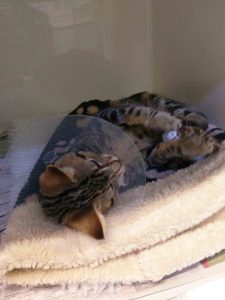
This adorably cheeky kitten is 12 week old Freddie!

He recently stayed at our Conway Drive practice after his owners noticed he wasn’t himself after chewing on a children’s toy.

foreign body cat preston and clitheroe

After blood tests, medications and fluids he was much brighter but still not back to his normal self and an ultrasound revealed a blockage in his intestines.

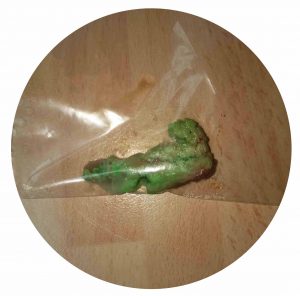
The blockage was caused by a foam letter that poor Freddie had swallowed. This is referred to as a foreign body and needed an exploratory laparotomy operation to find and remove it from Freddie’s intestines.

As you can see from the photos he was soon back to his normal happy self, playing with toys and wrapping our nurses around his paws!


Could your pet be affected by pyometra?

Although pyometra is a fairly common condition, many people don’t know what it is.

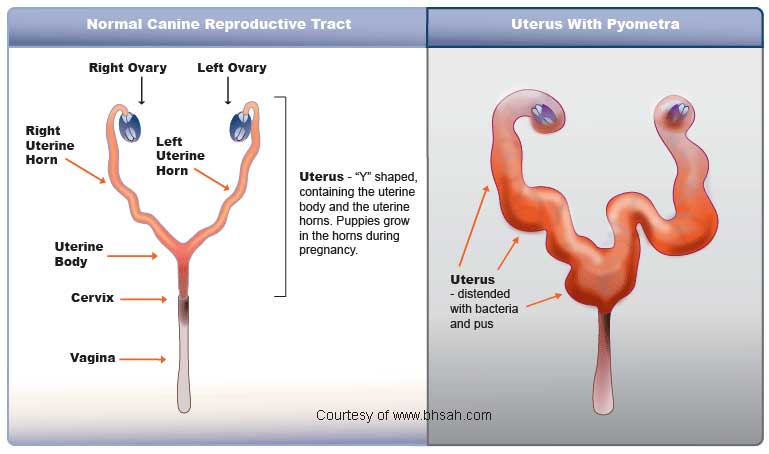
Pyometra is an infection of the uterus (womb), common in female dogs and cats that haven’t been spayed.

In dogs, every time they have a season (usually about twice a year) they undergo all the hormonal treatments associated with pregnancy, regardless whether or not she is pregnant.

The changes that occur in the uterus during each season, increases the chances of an infection with age.  A very common organism called E. coli, found in your dog’s faeces, usually causes pyometra. Some injections with hormone, either to prevent seasons or for the treatment of other conditions can increase the chances of pyometra developing.

pyometra dogs preston

The signs usually develop around four to six weeks after the female has finished bleeding from her last season. In some cases, the bitch may appear to be having a prolonged season.

The signs and symptoms to look out for are:

Early stages:

  • Licking back end more
  • Season lasts longer than usual
  • Off colour
  • Off her food
  • Drinking and urinating more
  • Vomiting

Advanced stages:

  • Pus coming from vulva
  • Swollen abdomen
  • Collapse

If your dog has this condition, urgent treatment may be required, if left untreated these signs will worsen to the point of dehydration, collapse and death from septic shock, so please contact your vet as soon as possible.

Diagnosis and treatment

Your vet will probably suspect your dog has pyometra based on your description of the signs and from their examination of your pet.

They may suggest procedures such as ultrasound and blood tests to confirm the diagnosis, rule out other possible causes, and to check that your pet is well enough to undergo treatment.

The treatment of choice for pyometra is surgery to remove the uterus. The operation is essentially the same as a routine spay.

However, there is more risk involved and a higher chance of complications when the operation is being carried out on a sick pet. Your dog will also be given intravenous fluids (a drip), antibiotics and pain relief.

Can I prevent pyometra?

Most dogs will make a full recovery after treatment for pyometra, if the condition is caught early. Spaying your dog before she develops a pyometra will prevent this condition occurring.

If left untreated, or if the dog has had a pyometra for a while before presentation, she may be septic (bacteria has gone into the bloodstream) and more prolonged hospitalisation and treatment may be required. In this situation the prognosis is usually worse.

The importance of regular health checks for your dog

Owning a dog is great fun and immensely rewarding, but they’re also a big responsibility.

Although you get to know and understand different aspects of their behaviour and their day-to-day routines, it isn’t always obvious to know if your dog is ill, it’s even harder to spot any potential dog health problems.

Most people don’t take their dogs to the vets unless there’s an emergency or obvious signs of illness, however a regular health check may detect issues earlier.

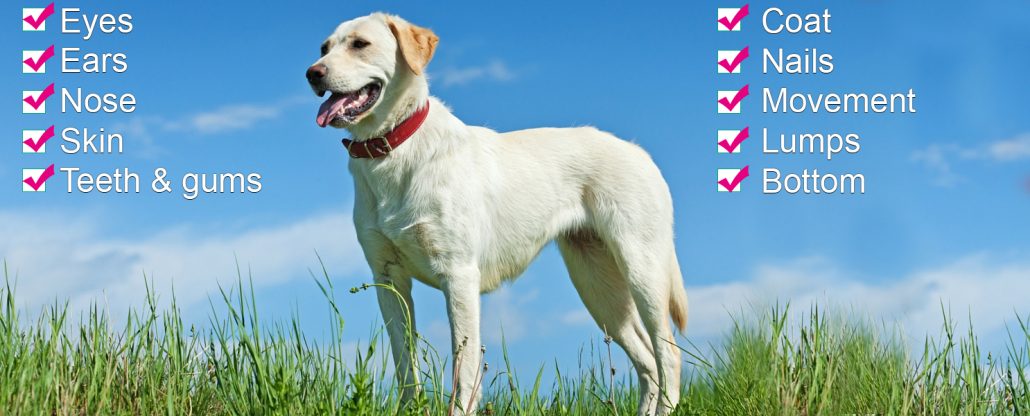
A health check up usually includes 10-points that include:

10 point health check dog preston vets oakhill veterinary centre

If any abnormalities or issues are found, the vet will discuss them with you and a plan for further investigation can be discussed.

Health checks every 6 months are great for your dog as the vet can detect subtle changes in your dog’s overall health. This is especially important for older dogs as these checks play a huge part in the ‘prevention is better than cure’ approach. As part of our 365 Care Plan, dogs and cats get a 10 point health check with a vet every 6 months included.

Oakhill Veterinary Centre puts an emphasis on preventative health care and our 365 Care Plan for dogs and cats was designed with this in mind.

To find out more about the 365 Care Plan click here. If you’d like to book your dog in for a health check, then please contact us.

Cat Poisoning

Permethrin toxicity remains one of the most common causes of poisoning in cats, and yet many owners don’t know what it is.

Permethrin is an insecticide commonly found in over the counter ‘spot-on’ flea treatments for dogs as well as some shampoos and household flea products.

In most mammals, permethrin has a good level of safety, but for some unknown reason when it comes to cats it’s highly toxic, which means it’s important that pet owners who own both cats and dogs understand the dangers of permethrin to a cat.

Cats are most commonly poisoned after their owners mistakenly use a dog product on the cat, but they can also show mild signs after close contact with a recently treated dog.

Signs of poisoning

Signs usually develop within a few hours, although they can sometimes be delayed by up to 72 hours. It can often take 2-3 days for the signs to improve.

The effects of insecticide poisoning in mild intoxications include; paraesthesia (pins and needles) caused by direct contact with permethrin, which may result in paw flicking, ear twitching and uncontrollable contractions of the cutaneous trunk muscles.

If your cat begins grooming the contaminated area, you may notice hypersalivation and vomiting. In cases of severe intoxications severe muscle tremors, seizures and / or depression may be present.

Treatment

If you think your cat has come into contact with the substance, it’s important you that any remaining product should be washed from your cat’s hair coat (or clipped in long haired cats) using cool water, NOT warm water as this will increase absorption of the product.

Controlling the convulsions is often difficult, and your cat may need to be hospitalised for several days.

The Veterinary Poisons Information Service reports that 15% of cases of insecticide poisoning result in death or euthanasia. However, cats that receive immediate treatment typically survive and usually suffer no long-term effects.

Prevention

If you do own both cats and dogs, the easiest way to prevent any kind of permethrin dangers is to only use licensed flea treatments on your cat, but also check your dog’s flea treatments to make sure it doesn’t contain the substance.

Household treatments such as flea sprays may also contain permethrin, therefore check the label before spraying around your home, if you’re still unsure- talk to your vet about which products can be safely used.

If you do need to use a flea treatment on your dog that contains permethrin, the safest option is to keep yours pets apart until the dog’s treatment has dried. This is to prevent mutual grooming, which could result in poisoning if your cat became exposed to sufficient product. There may be advice on this situation on the packaging of the dog product.

If you suspect your cat has been poisoned, please get in touch. 

Do you have a brachycephalic dog?

Brachycephalic dog breeds are increasing in popularity, but one thing most new owners don’t realise is that they can be quite a challenge to care for.

What is brachycephalia?

Brachycephalia means ‘shortened head’ and refers to the dogs flat and wide skull shape. The appearance of the head appears as though the skull has been severely compressed from front to back, they will also appear flat faced with short noses.

Ownership of brachycephalic dog breeds have increased by 3104% since 2007 according to Kennel Club Figures, the rise could be a result of more celebrities being pictured with these dog breeds, resulting in a dog ‘trend’.

Popular breeds that are classed as brachycephalic include:

  • Boxers
  • Bulldogs
  • Boston Terriers
  • Pugs
  • Shih Tzus
  • Chihuahuas
  • Chow Chows
  • Pekingese
  • Lhasa Apso
  • Bull Mastiffs
  • English Toy Spaniels

(Please note, not all breeds affected are listed above)

The reason that these breeds may be more challenging to care for is due to the number of health conditions they can possess.

Although these flat-faced dogs are cute, their short noses can also cause breathing problems. These dogs often suffer from snoring and snorting, and although these may seem harmless, it could be an indicator that their airway is becoming partially obstructed, and this can become worse over time.

These dogs have been bred mainly for their looks, but the flat-face look is a result of a smaller upper jaw, in which the tissues inside are bigger than the jaw can allow. The airway problems that result from this overcrowding are collectively known as ‘brachycephalic airway syndrome’.

Brachycephalic airway syndrome

This syndrome refers to a particular set of upper airway abnormalities that affects these particular dog breeds. This syndrome is also called brachycephalic respiratory syndrome, brachycephalic syndrome or congenital obstructive upper airway disease.

The upper airway abnormalities that occur in this syndrome include:

  • Stenotic nares
  • Elongated soft palate
  • Hypoplastic trachea
  • Everted laryngeal saccules

A dog with brachycephalic syndrome may be affected with a combination of one or more of these abnormalities.
Signs & symptoms

Not all brachycephalic dogs will have all these symptoms, but if your dog is presenting more than one symptom, it’s important to get them seen by the vet as soon as possible. The following signs and symptoms you should keep an eye out for are:

  • Dyspnea (breathing difficulty)
  • Noisy/labored breathing
  • Stridor (high pitched wheezing)
  • Continued open-mouth breathing
  • Extending of head and neck to keep airway open,
  • Sitting up or keeping chin in an elevated position when sleeping
  • Sleeping with toy between teeth to keep mouth open to compensate for nasal obstruction
  • Cyanosis (blue/purple discoloration of the skin or gums)
  • Sleep apnea
  • Stress and heat intolerance.
  • Snoring/gagging/choking/regurgitation/vomiting
  • Collapse

If your dog does any of the above, and you’ve come to think of it as ‘normal’, it’s still worth visiting your vet to check their health. Symptoms generally progress with age and typically become more severe as they age.

What other problems do brachycephalic dogs have?

Eyes and Eyelids: Brachycephalic dogs’ eyes tend to protrude out of their skull a bit more than other dogs. Sometimes it’s difficult for eyelids to close over their eyes (even while sleeping), this can lead to a lack of lubrication over the cornea and can also cause corneal ulceration.

Teeth: Brachycephalic dogs have the same number of teeth as other dogs, but less space to fit them all, which can lead to periodontal disease.

Treatment

Usually your dog will not require active treatment unless it shows signs of clinical problems. pug laboured breathing
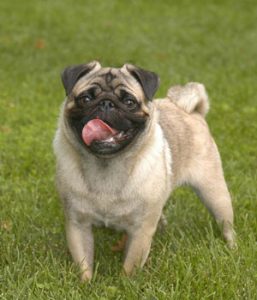
Treatment will vary depending on the type, cause and severity of the problem(s). Surgery, such as shortening an elongated palate or widening the nostrils, can prevent some breathing problems. Your vet will monitor the dog’s breathing, pulse, heart rate, temperature and other factors when surgery is performed.

How can I help my dog?

You can help your brachycephalic dog by protecting it from warm, humid weather and keeping its weight in check as obesity can worsen respiratory problem.

It’s important you schedule check-ups for your pet, this will not only monitor their overall health, but also offer you advice on diet and exercise, to give you peace of mind and to also keep your canine happy.