Call Us
Goosnargh:
Lytham Road:
Kirkham:

LIVER FLUKE – SIGNS, DIAGNOSIS, PREVENTION AND TREATMENT

LIVER FLUKE – SIGNS, DIAGNOSIS, PREVENTION AND TREATMENT

Liver Fluke (Fasciolosis) is a disease caused by the flatworm Fasciola hepatica. It affects a wide range of animals, including sheep and cattle, and although humans can become infected, although this is very rare in the UK. The disease is estimated to cost the UK livestock industry around £300 million every year due to liver condemnations, animal deaths, and reduced productivity.

WHERE DOES IT COME FROM?

The liver fluke life cycle begins when eggs are passed onto pasture in animal faeces. These hatch and infect a small mud snail (Galba truncatula), where they multiply and develop. Under suitable wet conditions, immature fluke called cercariae leave the snail and encyst on vegetation as metacercariae — the highly infectious stage.

Animals become infected when they graze contaminated pasture. The ingested metacercariae develop into juvenile flukes that migrate through the liver, causing significant damage, before moving into the bile ducts where they mature into adults. Adult fluke produce eggs that pass out through the digestive tract and continue the cycle.

It takes approximately 10–12 weeks from ingestion of metacercariae for adult fluke to be present in the bile duct.

Unlike gut worms, animals do not develop immunity to liver fluke, meaning all ages are susceptible.

CLINICAL SIGNS

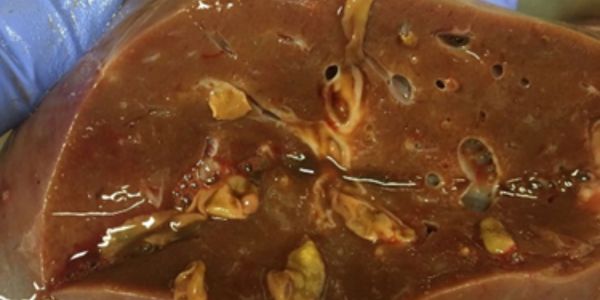
Disease is caused both by juvenile flukes migrating through liver tissue and by adult flukes feeding in the bile ducts.

SHEEP
Acute fasciolosis
Caused by large numbers of migrating juvenile fluke. Can lead to sudden death from internal bleeding or secondary clostridial infections (Black Disease). Signs may include extreme lethargy, abdominal pain, reluctance to move, and collapse. Most common in late summer and autumn.
Sub-acute fasciolosis
Fewer migrating fluke cause rapid weight loss, poor fleece quality, inappetence, weakness and depression. Death can occur without treatment. Typically seen in autumn.
Chronic fasciolosis
Caused by adult fluke in the bile ducts. More common in late winter and early spring. Signs include poor body condition, anaemia and bottle jaw (fluid swelling). Results from impaired liver function and inflammation.

CATTLE
Cattle typically develop chronic disease, shown by poor weight gain and anaemia. Sub-clinical infection can reduce milk yield. Diarrhoea is possible but usually linked to secondary Salmonella infection.

DIAGNOSIS – PREVENTION – TREATMENT

Diagnosis

Liver fluke can be detected through bulk milk, blood tests, or faecal testing. Different tests identify infection at different stages, so test choice depends on the time of year and level of risk.

Prevention

Fluke risk varies greatly between farms and even between fields. Wet, boggy or slow-draining areas are high-risk grazing zones. Identifying and, if possible, fencing off or avoiding known “flukey” areas during peak risk periods can reduce infection.

Treatment

Choosing the correct treatment depends on the age and stage of the fluke present, as not all products are effective against every stage. Understanding seasonal risk and test results is essential when planning treatments.

Please get in touch for any information regarding fluke and its treatment.

Healthy Feet Programme

Lameness
Healthy feet programme 
An understanding of which types of lameness are present, coupled with a structured approach to tackle the underlying causes is required to tackle lameness effectively.

The AHDB Dairy Healthy Feet Programme is a structured approach which will help make important progress towards diagnosing the problems, devising an action plan, and develop the skills necessary for long-term lameness control. The approach is based around the ‘four success factors’ – Low infection pressure – Good horn quality and hoof shape – Low forces on the feet – Good cow comfort and cow flow – Early detection and prompt, effective treatment of lame cows

Foot trimming training days
We offer hoof trimming training days that cover the 5-step foot trimming technique, recognition, treatment and prevention of foot lesions in cattle. Watch out for announcements about our foot trimming courses.

Our next foot trimming April 5th, to book onto the 1 day course, please call 01772 861300 or contact farm@oakhill-vets.com.

Cattle foot trimming

Bovine Ischaemic Teat Necrosis

This is a disease that has emerged in the UK over the last 5 years affecting the skin around the base teat but often extending down the teat and onto the udder.

The lesions tend to be irritable causing the cow to lick the affected teats and in severe cases remove them. Currently very little isknown about the disease but due to the increase in cases recently the cause is thought to be infectious. Currently there are no known effective treatments with severely affected animals often culled. Other diseases affecting the teats can be mistaken for Bovine ITN but the lesions don’t tend to be as irritant to the cow.

AHDB Dairy are currently running a project in conjunction with Liverpool University to learn more about the disease and how to control it. If you suspect you have any cases on your farm please get in touch with us.

Respiratory Disease- Cattle

Respiratory disease is estimated to cost the UK cattle industry £80 million annually through increased mortality, veterinary drug costs and most importantly weight 

loss/reduced performance. Whilst the effects on clinically affected animals are obvious often the rest of the group will be affected sub-clinically resulting in reduced growth rates.

For respiratory disease, prevention is vital as many animals never fully recover from severe cases and is through a combination of good management, good ventilation, and effective vaccination protocols prior to the risk period (housing/weaning).

respiratory symptoms cattle

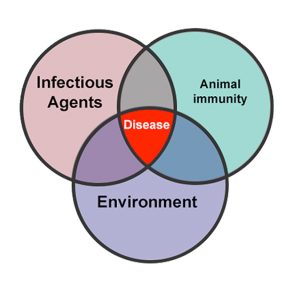
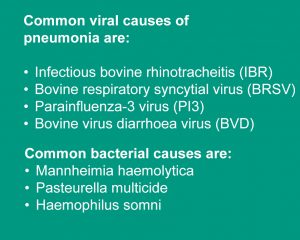
Respiratory disease occurs when environmental factors, infectious agents and inadequate immunity come together and tip the balance in favour of disease. In beef systems, stressful events such as dehorning and castration are best undertaken before housing or delayed until calves have been housed for at least 6 weeks.

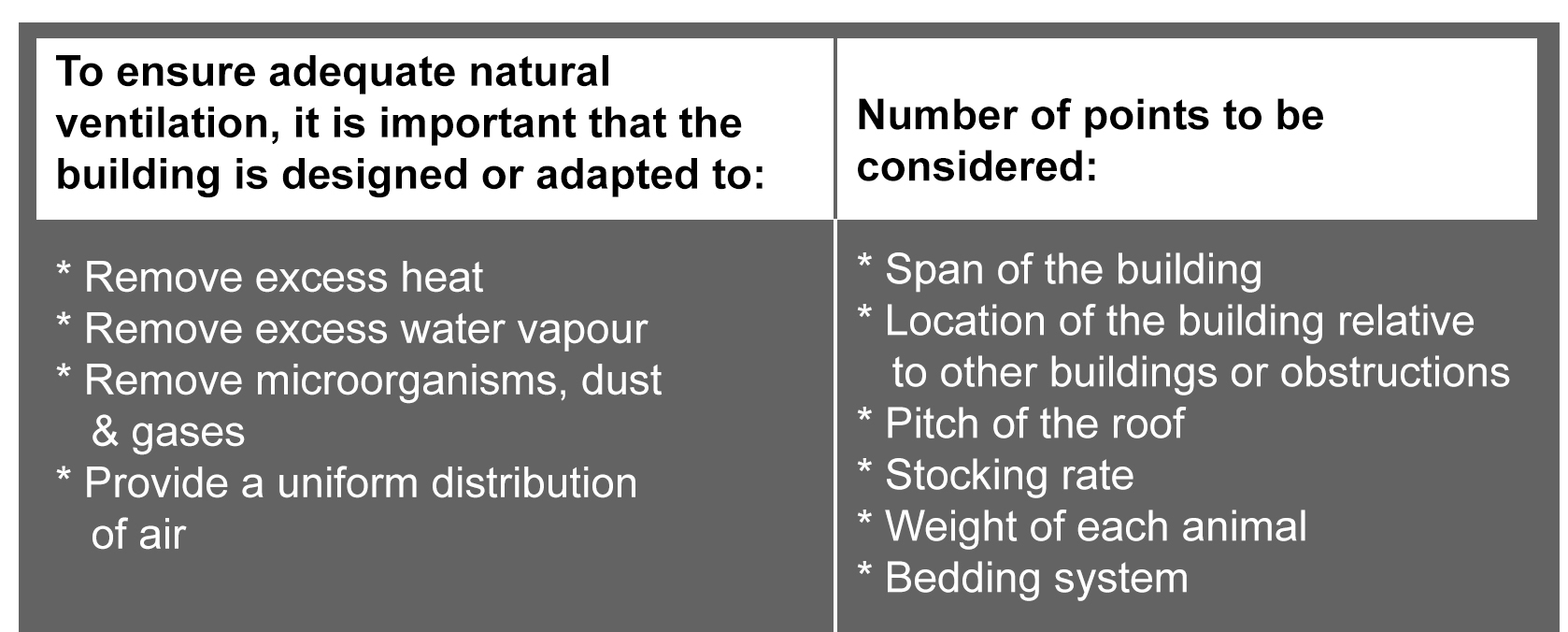
Ventilation is key!

The minimum recommended air changes within a building of 10 times each hour, increasing in summer up to around 60 air changes per hour. High ammonia levels from manure irritate the respiratory tract and will make the animal more vulnerable to respiratory disease. Studies have shown that the ammonia levels a calf is exposed to in the first four months of life severely impact on the age at first calving, and lifetime productivity.

respiratory disease in cattle

We are offering Subsidised Ventilation Assessments in the month of September, please contact us at the clinic to arrange yours today!