Case Studies
Explore a selection of our farm veterinary case studies, showcasing the knowledge, experience and dedication of the Oakhill Farm Vets team. From complex health challenges and disease investigations to herd health and fertility management, discover how our vets combine clinical expertise, practical experience and a proactive approach to help farmers achieve the best possible outcomes for their livestock and businesses.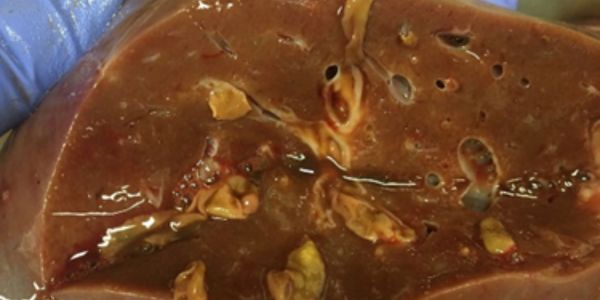
LIVER FLUKE – SIGNS, DIAGNOSIS, PREVENTION AND TREATMENT
Liver Fluke (Fasciolosis) is a disease caused by the flatworm Fasciola hepatica. It affects a wide range of animals, including sheep and cattle, and although human infection is very rare in the UK, it can occur. The disease is estimated to cost the UK livestock industry around £300 million every year due to liver condemnations, animal deaths, and reduced productivity.
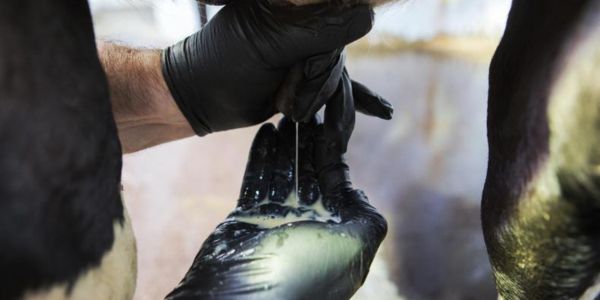
REDUCING THE IMPACT OF E. COLI MASTITIS ON YOUR HERD
Mastitis remains one of the most expensive diseases in dairy cattle, typically costing £250–£300 per case. E. coli mastitis has been shown to reduce milk production by around 15%, equating to approximately 200 litres per cow per lactation! Clinical signs range from mild changes in milk to rapidly developing toxic mastitis, which all too often can result in death.
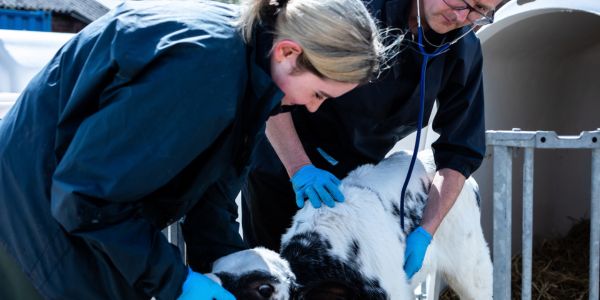
ALTERNATIVE STRATEGIES FOR WORM CONTROL
Resistance to commonly used wormers in sheep has been reported since the 1980s but more recently resistant worms have been found on up to 100% of farms. Therefore, it is increasingly important to change how we use wormers to avoid selecting for resistance and to ensure that we continue to have these tools for the future.
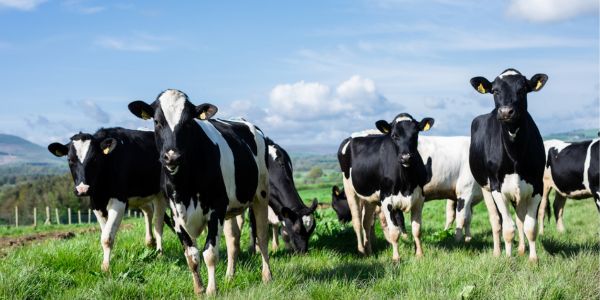
COW TRACKS
With turnout time upon us it is a good time to have a look at your cow tracks and ensure that they are in good repair to benefit both you and your cows.
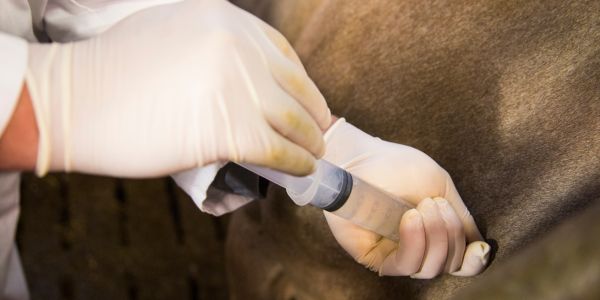
CLOSTRIDIAL DISEASES
Clostridia are a group of bacteria that are commonly found in soil and in the digestive tracts of animals. They can produce toxins that cause a variety of diseases in farmed animals, and which can lead to sudden death in many cases. However, vaccines are available which provide protection against the toxins.
VETERINARY DECLARATIONS FOR EXPORTS TO THE EU
From 13th December changes to legislation concerning requirements for export to the EU are coming into place. These changes mean that all farms selling livestock for slaughter will require an annual vet visit to comply.