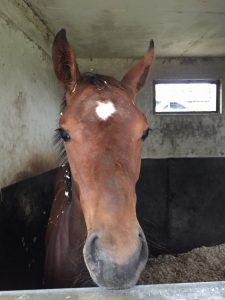
Testing for PPID in your horse or pony
A few years ago PPID or Equine Cushing’s Disease was considered a rare hormonal disease in horses. Now it is thought to affect over 20% of horses over the age of 15 and is a condition recognised almost daily in equine veterinary practice.
Past ‘Talk about Laminitis’ test results show that you should look out for any of these clinical signs in your horse:
- Laminitis
- Abnormal or delayed moulting
- Muscle wastage
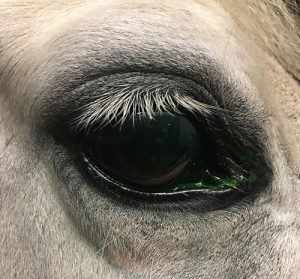
- Periorbital fat (fat round the eyes)
- Increased drinking and urinating
In 2017, thousands of laminitic patients benefitted from PPID being ruled in or out of their condition during the Talk About Laminitis campaign, as a result, the Talk About Laminitis campaign will continue offering FREE* ACTH lab testing during 2019
You can claim your complimentary testing voucher code by visiting www.careaboutcushings.co.uk
If your horse is already on Prascend, you may be eligible for a free monitoring test (lab fees only). You can generate your voucher code for this by visiting the link above.
Terms & Conditions:
- This free ACTH test voucher code is for the laboratory fees for a blood ACTH test only.
- Each voucher is only redeemable against an ACTH blood test where the patient has not been previously diagnosed with PPID
- Full T&Cs can be found below at www.careaboutcushings.co.uk
- Oakhill blood sampling fee, visit fee and postage still apply.
 We currently have a horse crisis, whereby the number of horses far outweighs the number of good homes available.