Call Us
Goosnargh:
Lytham Road:
Kirkham:

HEATWAVE HELP

HEATWAVE HELP

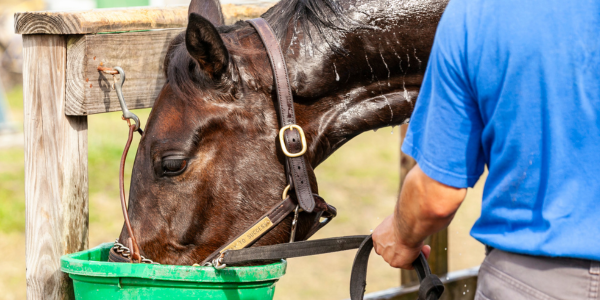
In case you hadn’t noticed, it’s been a bit warm outside recently. Therefore we thought we would re-share our top tips to keep your horses cool in this weather:

  • Try to ride very early in the morning or late in the evening to avoid the worst of the heat
  • The average horse will not lose much fitness from a day or two off, so if they’re struggling in the heat give them a rest day
  • If your stables are cooler than outside, consider turning out overnight and bringing in during the day
  • Similarly,  if your stables are like a sauna, consider leaving horses out 24/7 if appropriate
  • Always have multiple sources of water available so that if one gets knocked over there is still some left
  • If competing,  ensure you pack plenty of water (for drinking and washing off), try to park in the shade, create as much airflow in your lorry/trailer as possible, and be sensible about how many classes you do, or whether you go at all
  • If your horse is a ‘fussy drinker’ away from home try adding some pony cubes, sugarbeet or grated fruit and veg to your water to encourage them to drink
  • Electrolytes can be added to feed to encourage drinking and replace those lost in sweat
  • If washing your horse off with the hosepipe, check the water is running cool first. It can heat up in the hosepipe and be almost boiling if left in the sun
  • Use copious amounts of cool water for washing hot horses off with, and do not panic about scraping it off
  • Apply lots of sunblock to delicate pink noses, or use a fly mask with a nose net
  • Avoid oily grooming lotions and potions as these can heat up and cause burns
  • Consider clipping any hairy Cushing’s patients who are still holding onto their coats
  • Agree to never moan about our normal Lancashire weather again!

If you have any concerns at all, please contact us on 01772 861300.
KEEPING TICKS AND MITES IN CHECK

KEEPING TICKS AND MITES IN CHECK

Alongside fleas, ticks and mites are some of the most common parasites affecting pets in the UK. Not only can they cause discomfort and health issues for our furry companions, but some also carry risks for humans, so it’s important to stay one step ahead with prevention, detection and treatment.

TICKS: SMALL PESTS, BIG PROBLEMS

Ticks are especially common in wooded areas, grassy fields, and moorland, essentially, the kind of places many dogs love to explore. There are different species of ticks, each adapted to feed on animals, such as sheep, deer, and even hedgehogs. So, if your pet loves an outdoor adventure, they could be more likely to encounter these bloodsucking hitchhikers.

What to look out for:

  • A tick may appear as a small, greyish lump on your pet’s skin and can often be mistaken for a skin tag or growth.
  • Ticks tend to attach around the head, ears, and front legs.
  • As they feed, they swell in size, some can grow up to 1cm when fully engorged.

Tick-borne diseases in the UK and abroad

While Lyme disease (borreliosis) is the most well-known tick-borne illness in the UK, travelling abroad can expose pets to even more serious diseases, including babesiosis and ehrlichiosis. If you’re planning a trip with your pet, speak to your vet in advance about protection options.

Prevention and removal

Using a vet-recommended tick control product is key, particularly for pets who roam in high-risk areas or are heading overseas. If you do find a tick, remove it promptly with a tick-removal tool, making sure the mouthparts come out cleanly to avoid infection. Never try to pull it out with fingers or tweezers, as this can make things worse. If in doubt, please speak to your vet.

MITES: SMALL PARASITES, BIG IRRITATION

Mites are microscopic parasites and live on or in the skin, and while you’re unlikely to spot them with the naked eye, your pet will feel their presence. Mite infestations often lead to intense itching, scratching, and skin damage, sometimes making pets utterly miserable.

Here are the main culprits to be aware of:

  • Sarcoptes (Scabies or Fox Mange): Causes severe itching and is highly contagious, even to humans. Most common in dogs.
  • Ear Mites (Otodectes): Frequently seen in puppies and kittens. These mites cause very itchy ears and a thick, brown waxy discharge.
  • Cheyletiella (Walking Dandruff): Produces dandruff-like flakes and irritation along the back. It can occasionally affect humans too.
  • Harvest Mites: Bright orange and usually found in late summer, especially around the head, feet and belly after walking through long grass.
  • Demodex: Lives deep in hair follicles and oil glands. These mites aren’t contagious but can cause skin issues when an animal’s immune system is under pressure.

Getting the right diagnosis and treatment

Mite infestations can sometimes be tricky to confirm, and treatments vary depending on the type of mite involved. If you notice your pet scratching more than usual, especially if there’s hair loss or sore skin, it’s worth a trip to the vet. The earlier it’s caught, the easier it is to treat, and the more comfortable your pet will be.

STAY VIGILANT, STAY SAFE

Parasites like ticks and mites may be small, but they can pose a big threat to your pet’s health and comfort. The good news? With regular checks, appropriate parasite control products, and prompt vet advice, you can keep your four-legged friend safe and happy, all year round.

KEEPING YOUR DOG SAFE IN THE SUN

KEEPING YOUR DOG SAFE IN THE SUN

As humans, we tend to embrace the sunshine and warmer weather that the summer months bring us. However, enjoying these warmer temperatures can quickly become very dangerous for our four-legged friends. Dogs lack the amount of widespread sweat glands that humans possess; only having sweat glands in their feet and around their nose. Therefore, they are unable to tolerate the heat like we can, relying on panting to keep themselves cool. Breeds such as pugs, bulldogs, and boxers have a further increased susceptibility to heat stroke due to their upper airway abnormalities. We want to make everyone aware of the risk that warmer weather poses so we can enjoy the summer safely together.

This awareness is particularly crucial given the recent unseasonably high temperatures across the UK. April 2025 was the sunniest since records began in 1910, with temperatures well above average nationwide. Such conditions increase the risk of heat-related illnesses in dogs.

WHAT ARE THE SIGNS OF HEAT STROKE IN DOGS?

The signs that a dog may exhibit can vary as the body temperature rises and heat stroke develops in severity. If you recognize any of the below signs, you should seek veterinary advice immediately:

  • fast, heavy panting
  • appearing distressed or agitated
  • excessive drooling or foaming at the mouth
  • excessive thirst
  • bright red gums or tongue (may turn a purple tinge as severity increases)
  • increased heart rate
  • elevated body temperature
  • diarrhoea
  • glassy appearance to eyes
  • staggering when walking
  • collapse
  • seizures
  • unconsciousness

TIPS TO KEEP YOUR PET SAFE

Heat stroke is the result of a dog being unable to control its body temperature, resulting in hyperthermia. This may be exertional heat stroke as a result of a dog being exercised in warmer temperatures, or non-exertional due to lack of ventilation and/or water, which is typically seen in dogs left in parked cars. There is no defined space of time for how long it can take for a dog in a parked car to develop heat stroke; however, this can be as little as 15 minutes.

Tips to help keep your dog safe:

  • never leave your dog in a parked car in warm weather for any period of time
  • avoid long car journeys (if your dog travels in the boot, the temperature back here may be considerably higher than in the rest of the car where you are sitting)
  • restrict exercise on warmer days
  • take advantage of cooler temperatures in the morning and late evening
  • make sure your dog has access to water to drink—allow access to shade when in the garden or on a walk
  • take water with your dog on a walk—provide a cool place for your dog to rest, for example, a cool wet towel in the shade

Timing is crucial with these cases; the sooner the signs of heat stroke are noticed by an owner, and the dog receives prompt veterinary treatment, the better the prognosis. Where possible, phoning the veterinary practice in advance of setting off to the vets with your dog can be beneficial; we may well advise you to start cooling techniques before your journey. On arrival, we will assess your pet’s condition and provide veterinary treatment as needed. This can include applying cooling techniques, administering intravenous fluids alongside constant monitoring of clinical signs. Unfortunately, despite aggressive veterinary treatment, heat stroke can result in serious long-term complications such as kidney failure or, in some cases, can even be fatal.

8 REASONS WHY PETS ARE GREAT FOR OUR MENTAL HEALTH!

8 REASONS WHY PETS ARE GREAT FOR OUR MENTAL HEALTH!

In today’s fast-paced world, stress, anxiety, and depression are common challenges that many people face. Did you know that scientific studies have proven that owning a pet can be good for both your physical and mental health? Whether it’s a dog, cat, or even a small furry, pets have a remarkable ability to improve our emotional wellbeing in a variety of ways.

They give us something positive to focus our mind and energy on and are great when life seems a bit grey. They help us to meet new people, leave us feeling a little less lonely and vulnerable, and give us a reason to get up in the morning.

HERE’S WHY PETS ARE SUCH POWERFUL ALLIES FOR MENTAL HEALTH

1 Companionship and emotional support

Pets provide unconditional love and companionship, which can significantly reduce feelings of loneliness. For individuals dealing with social isolation, having a pet can be a comforting and supportive presence. They are always there, ready to offer affection, and their consistent companionship fosters a sense of connection that can lift spirits.

2 Reduced stress and anxiety

Spending time with pets, especially stroking or cuddling them, has been shown to reduce stress levels. The simple act of petting a dog or cat releases oxytocin, a hormone known for promoting feelings of happiness and relaxation. Studies have found that the presence of pets can lower cortisol levels (a hormone associated with stress), helping individuals feel calmer and more at ease.

3 Routine and structure

For those struggling with depression or anxiety, maintaining a routine can be difficult. Pets, however, require regular feeding, grooming, and exercise, which naturally encourages their owners to create a structured schedule. This can be particularly helpful for people who have a hard time getting out of bed or staying on track. The responsibility of caring for a pet can give individuals a sense of purpose and accomplishment.

4 Physical activity and outdoor time

Many pets, especially dogs, need regular walks and playtime. This encourages their owners to get outside, get moving, and stay active. Physical activity is a proven way to improve mental health by boosting endorphins, reducing stress, and increasing overall mood. A brisk walk or a game of fetch can not only improve your pet’s well-being but yours as well.

5 Improved mood and emotional balance

Pets are known for their ability to cheer us up, especially on tough days. Their quirky personalities, antics, and unconditional affection often make us laugh and help take our minds off our worries. For individuals dealing with mood disorders, pets can provide a stabilising influence by offering a source of comfort and joy.

6 Building social connections

Pets can also play a role in fostering social connections. Dog owners, for instance, often meet others at dog parks or while walking their pets. These interactions can help individuals overcome feelings of isolation and create new bonds with others who share similar interests. Pets also serve as great conversation starters, making it easier to connect with people in social settings.

7 Therapeutic benefits

Animal-assisted therapy has become a popular treatment for mental health conditions like PTSD, depression, and anxiety. Trained therapy animals are brought into hospitals, nursing homes, and therapy sessions to offer comfort and support. The calming presence of animals has been shown to reduce symptoms of mental illness and provide emotional healing. The unconditional love and non-judgmental nature of pets make them ideal companions for therapeutic purposes.

8 Promoting mindfulness

Caring for a pet encourages mindfulness – being present in the moment. Pets don’t dwell on the past or worry about the future; they live in the here and now. By focusing on your pet’s needs and enjoying the simple moments spent together, you can learn to be more present in your own life, which can help reduce feelings of anxiety and stress.

MORE THAN JUST A COMPANION

Pets are much more than just adorable companions; they play a vital role in supporting our mental and emotional well-being. From offering unconditional love to providing a calming presence and promoting physical activity, the benefits of having a pet are undeniable. If you’re struggling with mental health, a pet may just be the supportive friend you need to help you through tough times. So, whether you’re cuddling with a cat or going for a walk with a dog, remember that your furry friend is there to help boost your mood and brighten your day.

UNDERSTANDNG YOUR PET’S BODY LANGUAGE

UNDERSTANDNG YOUR PET’S BODY LANGUAGE

Pets, especially dogs and cats, communicate a lot through their body language. As a pet owner, learning to interpret these subtle cues can help build a stronger bond with your furry companion and make it easier to understand their needs and emotions. Here’s a guide to help you read your pet’s body language and improve communication.

DOGS

Tail wagging

  • Fast, wide wag: A sign of excitement or happiness. Your dog is thrilled to see you or in a positive mood.
  • Slow wag or tucked tail: This can indicate uncertainty or fear. Pay attention to the situation and offer comfort if needed.
  • Straight tail, rigid posture: Often a sign of alertness or tension, sometimes associated with aggression. Keep a safe distance and assess the situation.

Ear position

  • Erect ears: Your dog is alert, focused, or happy.
  • Flattened ears: This usually signals fear, anxiety, or submission. Your dog may be feeling overwhelmed or threatened.
  • Relaxed, natural position: Your dog is calm and comfortable in their environment.

Eyes

  • Soft eyes, relaxed gaze: Your dog is comfortable and trusting.
  • Wide, dilated pupils: This can indicate fear, excitement, or aggression. It’s a sign that your dog is experiencing strong emotions.
  • Staring or hard eyes: Direct staring may be a sign of challenge or aggression. Be cautious.

Posture

  • Relaxed posture: A sign that your dog feels safe and is in a good mood.
  • Cowering or shrinking back: Fear or anxiety, indicating your dog may want to avoid a situation.
  • Standing tall with a raised chest: Confidence or a challenge, depending on the situation.

Mouth

  • Open mouth with relaxed tongue: A sign of happiness, relaxation, or playfulness.
  • Lips curled back (showing teeth): Aggression, fear, or a defensive posture. Your dog is warning you to back off.
  • Panting: Can be normal after physical activity, but if excessive, it may signal stress or overheating.

CATS

Tail movements

  • Up, quivering tail: Your cat is excited, happy, or feeling affectionate (sometimes a sign of greeting or bonding).
  • Fluffed up tail: Fear or aggression. Your cat is trying to appear larger to protect itself.
  • Tucked tail: Anxiety or insecurity. Your cat is feeling threatened or scared.
  • Slowly waving tail: Concentration or slight annoyance. Your cat may be focusing intently on something, like a toy or a potential threat.

Ears

  • Forward-facing ears: Your cat is interested or curious about something.
  • Flattened ears: A sign of annoyance, irritation, or fear. Your cat may feel threatened or upset.
  • Wide-set ears: A sign of aggression or high alertness. It’s often a warning to back off.

Eyes

  • Slow blinking: This is a cat’s way of showing affection and trust. If your cat gives you slow blinks, try slowly blinking back to show you’re comfortable and safe.
  • Dilated pupils: This can be a sign of excitement, fear, or aggression, depending on the context. If it’s paired with a defensive stance, it might indicate stress.
  • Wide, unblinking stare: Aggression or a warning. Avoid eye contact in this case to show you’re not a threat.

Posture

  • Curled body: A relaxed, comfortable state. Your cat may be resting or feeling secure.
  • Arched back, puffed up: A sign of fear or aggression. Your cat is trying to make itself appear larger.
  • Exposing the belly: Your cat trusts you, but this can also be an invitation for gentle petting or play. Be cautious, as some cats don’t like belly rubs and may react defensively.

Purring and meowing

  • Purring: Generally, indicates contentment, but cats can also purr when anxious or in pain. It’s important to assess the context.
  • Meowing: Cats may meow to communicate with their owners. The tone, pitch, and frequency can indicate hunger, distress, or a desire for attention.


TIPS FOR BETTER COMMUNICATION WITH YOUR PET

  • Observe context: Always pay attention to the situation when interpreting your pet’s body language. A pet’s emotional state can vary based on their environment, their interactions with others, or their health.
  • Respond appropriately: If your pet is showing signs of distress, try to de-escalate the situation by offering comfort or space. If they’re showing excitement, join in the fun!
  • Use positive reinforcement: Reward your pet with treats or affection when they display positive behaviours, like coming when called or sitting calmly.
  • Respect their boundaries: Not all pets enjoy close physical contact all the time. Recognise when your pet wants affection and when they need space.

Being able to understand and respond to your pet’s body language is a key element in building a stronger, more trusting relationship. Whether your pet is a dog, cat, or another companion, learning their cues and respecting their emotional state can make life more enjoyable for both of you. Through patience, observation, and communication, you’ll be better equipped to meet their needs and create a positive and fulfilling environment for your furry friend.

WHY REGULAR VET VISITS ARE CRUCIAL

WHY REGULAR VET VISITS ARE CRUCIAL

As a pet owner, ensuring your furry friend stays healthy and happy is a top priority. While many pet owners focus on providing food, exercise, and affection, regular vet visits are just as essential to maintaining their long-term health. Here’s why these routine check-ups are so crucial, and how they can help keep your pet in top condition throughout the year.

HERE’S HOW REGULAR CHECK UPS CAN KEEP YOUR PET IN TOP CONDITION

1. Early detection of health issues

Just like humans, pets can develop health problems that may not show obvious symptoms at first. Regular vet visits are vital for identifying these issues before they become severe. Routine check-ups allow the vet to conduct tests, perform physical exams, and monitor your pet’s overall health.

  • Signs of illness can be subtle: Cats, in particular, are known for hiding signs of illness, and dogs may only show symptoms when a condition becomes serious. Your vet can detect early warning signs of conditions like heart disease, kidney issues, skin and ear problems or even some cancers, helping to start treatment early when it’s most effective.
  • Prevention over treatment: Early diagnosis can prevent health issues from escalating, reducing the need for more extensive, expensive, and potentially painful treatments later.

 2. Vaccinations and preventative care

One of the primary reasons for regular vet visits is to ensure your pet stays up to date with their vaccinations and preventative treatments. Vaccines are crucial in protecting your pet from contagious diseases that can have serious, even life-threatening, consequences.

  • Core vaccinations: These include diseases like distemper, parvovirus, hepatitis and leptospirosis which can be highly contagious and dangerous for pets. The latter can be a health risk for people too.
  • Boosters: Regular vet visits ensure that boosters are administered on time, maintaining immunity throughout your pet’s life.
  • Parasite prevention: We can also prescribe parasite control for fleas, ticks, and worms. These parasites can cause serious health problems, including skin infections, digestive issues, and even life-threatening conditions like Lyme disease.

3. Dental health

Dental care is one of the most overlooked aspects of pet health. Just like humans, pets can suffer from dental problems, including gum disease, tooth decay, and infections. If left untreated, these conditions can lead to pain, difficulty eating, and even more serious health issues like heart disease.

  • Dental exams: During regular vet visits, the vet will check for signs of dental disease, such as plaque build-up, gum inflammation, or loose teeth. They then may recommend a scale and polish to prevent tartar buildup and reduce the risk of infection.
  • Home care advice: We can provide advice on how to care for your pet’s teeth at home, such as brushing techniques and appropriate chew toys.

 4. Weight and nutrition monitoring

Maintaining a healthy weight is critical for your pet’s overall wellbeing. Obesity can lead to numerous health issues, including joint problems, heart disease, diabetes, and a shorter lifespan.

  • Weight assessments: Our Vets and RVNs regularly monitor your pet’s weight and body condition score (BCS) during check-ups. This helps ensure they’re not underweight or overweight.
  • Diet recommendations: You can get guidance on choosing the best diet for your pet based on their age, breed, activity level, and any medical conditions they may have. You can also get tips on portion control and feeding schedules.
  • Nutritional supplements: For pets with specific health concerns, we can recommend nutritional supplements to support joint health, digestion, or skin conditions.

5. Parasite control and external threats

Parasites like fleas, ticks, and worms aren’t just annoying – they can transmit diseases that seriously affect your pet’s health. Regular vet visits help protect your pet from these external threats.

  • Flea and tick prevention: We can prescribe year-round treatments to keep your pet safe from fleas and ticks, which can cause skin irritation and infections and transmit diseases such as Lyme disease.

6. Spaying and neutering

If you haven’t already spayed or neutered your pet, a regular vet visit is the perfect opportunity to discuss the benefits of these procedures.

  • Health benefits: Spaying and neutering reduce the risk of certain cancers and prevent behavioural problems like marking or aggression.
  • Population control: Neutering helps control the pet population, preventing overpopulation and reducing the strain on animal shelters.

7. Behavioural guidance and training

Behavioural issues can be a source of stress for both pets and their owners. Regular vet visits provide an opportunity to discuss any behavioural concerns, such as aggression, separation anxiety, or excessive barking.

  • Stress management: If your pet experiences anxiety or stress, we can provide advice on calming techniques, suitable toys, and even medication options if needed.

 8. Senior pet care

As pets age, they face unique health challenges that require additional care. Regular vet visits become even more important in senior pets to monitor for age-related conditions and provide the necessary treatments.

  • Chronic conditions: Older pets are more likely to develop conditions like arthritis, kidney disease, or cognitive dysfunction. Routine visits allow for early management of these conditions.
  • Adjusting diet and exercise: Our vets and RVNs can guide you on how to adjust your pet’s diet, exercise routine, and environment to accommodate their changing needs.

9. Trust and familiarity

Regular vet visits also allow you to build a relationship with your vet who will get to know you, your pet and their health history, making it easier to address any concerns you have.

  • Reduced anxiety: Your pet will become familiar with visiting the vet, including the smells, noises and travel associated with the trip, thus reducing anxiety when visits are necessary.
  • Personalised care: Over time, the vet will get to know your pet’s personality, making it easier to detect any subtle changes in their behaviour or health.

BOOK A VISIT TODAY

Regular vet visits are a cornerstone of responsible pet ownership. They help ensure that your pet remains healthy, happy, and comfortable throughout their life. From early detection of health problems to preventive care, vaccinations, and ongoing support, these visits give you the peace of mind that your pet is receiving the best possible care. By prioritising regular check-ups, you are investing in your pet’s long-term health and wellbeing.

Don’t wait for signs of illness – schedule a vet visit today to keep your furry friend thriving all year round!

CASE STUDY: ELECTRICAL CARDIOVERSION (TVEC)

CASE STUDY: TILLY’S ELECTRICAL CARDIOVERSION (TVEC)

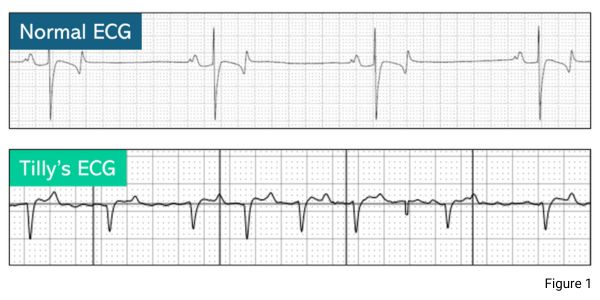
Tilly was seen by our vet Kai during a routine yard visit for her annual vaccination. During this visit it was noted that Tilly had a very irregular heart rhythm. Tilly was consequently bought to our clinic for further investigations including blood tests and an ECG to measure the electrical activity of the heart.

The ECG showed Tilly had a condition called atrial fibrillation. This is where the upper chambers of the heart (the atrium) beat abnormally fast and erratically. You can observe from the ECG traces how Tilly’s heart compares to that of a normal horse (Figure 1).

Atrial fibrillation can cause symptoms including poor performance, exercise intolerance, weakness and collapse. Amazingly, in Tilly’s case she had none of these symptoms at the time, so it was very fortunate we picked up the abnormality early!

ELECTRICAL CARDIOVERSION (TVEC)

Treatment for this condition can include medical therapy or the more preferred treatment choice of electrical cardioversion (TVEC), a procedure performed under a short general anaesthetic that converts the atrial fibrillation to a normal heart rhythm.

We worked alongside medicine specialists Mark Bowen and Gayle Hallowell to perform the procedure at our clinic. Tilly’s arrhythmia was treated the using the TVEC procedure, and we were all delighted when her heart converted to a normal rhythm on the first attempt.

Horse Tilly

TILLY

Tilly recovered wonderfully from the procedure and was able to return home the next day. During a recent visit, Kai performed a follow-up auscultation and confirmed that Tilly’s heart rhythm remains perfectly normal after treatment! She is now back out and about enjoying her hacking, fun rides and even the odd trip to the gallops!

Thank you to Tilly’s owner who has been wonderful throughout and for her generosity in allowing us to share her story.

EQUINE SPINAL PAIN UK SPECIALISTS

EQUINE SPINAL PAIN UK SPECIALISTS

  • Is your horse an absolute dream in-hand or on the lunge? Then as soon as the tack comes out, you see it in their eyes and off to the back of the stable they go!!
  • Do they buck when you sit to ask for canter?
  • Do they periodically shoot off under saddle which is pretty damn terrifying?
  • Do they plant their feet? Refuse to go forwards and vocalise their distaste when you squeeze with your leg?
  • Every time your physiotherapist visits, do they say that your horse is sore through his/her spine, but you’ve had your saddle checked and that is fine??

These amongst many other signs could indicate that your horse has pain coming from the spine. This can be from the underlying bone structures, nerve pain or pain coming from the many muscles and ligaments which interact with the spinal column. This includes pain coming from the sacrum, pelvis and sacroiliac joints too!

These cases can be extremely frustrating for you as an owner to overcome. However, we deal with these cases every, single day. We have developed a thorough, systematic approach to the investigation of these cases, so that no stone is left unturned.

Spinal imaging is performed through a combination of X-ray and ultrasonography assessments. From an X-ray perspective, due to the size of the horse, a lot of powerful radiation is required which comes from a large X-ray machine in a controlled setting! These are not images that can ever (or should ever) be obtained in a yard situation, it’s simply not possible!

To visualise the soft tissue attachments of the pelvis and spine you also need powerful ultrasound machines that have a lower frequency and a specialised probe very different from a musculoskeletal ultrasound machine. The soundwaves need to penetrate much deeper tissues without losing detail and believe me these machines are very expensive and must be kept within a clinic setting.

At Oakhill Equine Vets, we can confidently boast that we have the best imaging equipment for visualising pathology of the equine spine. We also have an arena to observe the horse ridden, with or without a rider dummy on board to help us understand the kind of symptoms your horse is displaying without putting you or anyone else in a potentially dangerous situation.

Once the problem has been identified, then we can create an appropriate, specific therapeutic approach. This may consist of conservative management through a combination of physiotherapy, injectable or anti-inflammatory medication, acupuncture with Equine Director Rosie and hydrotherapy. In the unlikely event that surgery is required you can be safe in the knowledge that we have two European Specialist surgeons on hand to perform the latest surgical techniques proven to help relieve the symptoms of spinal pain in the horse. The most common techniques are interspinous ligament desmotomy (ligament snipping) and dorsal wedge ostectomies (bone shaving). Our surgeons have all of the latest knowledge to be able to discuss these options with you depending on what your horse needs.

We are proud of the fact that we can perform all investigations and start treatment in your horse within a few days of your horse’s arrival at our clinic in Goosnargh, no waiting around for test results or for the next steps to take place. We can do it all and do it all well!!

We have no preference as to whether your horse holds an insurance policy or not, we treat all horses exactly the same. There is transparency with costings throughout regardless of your insurance status. If your horse is insured, our insurance team are on hand to make the process as stress-free as possible for you.

If you simply want to start the dialogue with regards to how we may be able to help you and your horse, just give our team a call and ask to speak to one of our spinal experts.

BOO’S FETLOCK INJURY AND LIFE-SAVING SURGERY

BOO’S FETLOCK INJURY AND LIFE-SAVING SURGERY

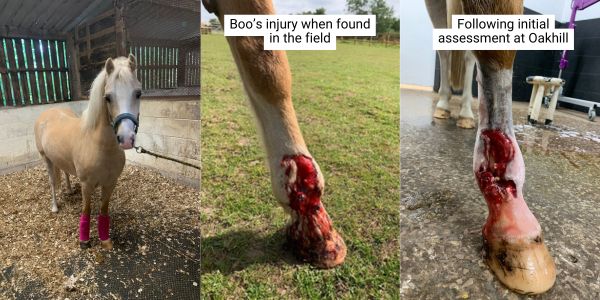
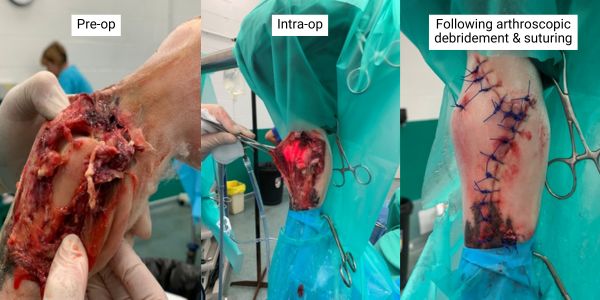
Several months ago equine vet Jess was called out to see one of the worst fetlock injuries we as a practice have ever seen. Poor ‘Boo’ had somehow managed to do this to herself in the field, causing such a deep wound to her left fore fetlock that the joint capsule was exposed leading to a septic joint. She had also damaged some of the supporting ligaments nearby.

Her lovely owners were distraught and keen for us to do whatever we could to help Boo and give her a chance of surviving despite the odds not being in her favour. She was admitted to our clinic for further assessment of the joint and to perform life- saving surgery under general anaesthesia. Rosie, one of European Specialists in Equine Surgery, had her work cut out but as you can from the final photo below, see she did an amazing job! Over several hours she was able to flush the infected joint with many litres of fluid and somehow suture all the tissues back together.

Our next challenge was to immobilise Boo’s limb to support the wound and sutures following surgery and give her the best chance of healing. This was particularly important during the recovery phase of her general anaesthetic where she needed to be able to stand without damaging the wound. The decision was made to place a cast on her lower limb whilst she was still in the operating theatre, preventing her flexing the limb and weakening the sutures.

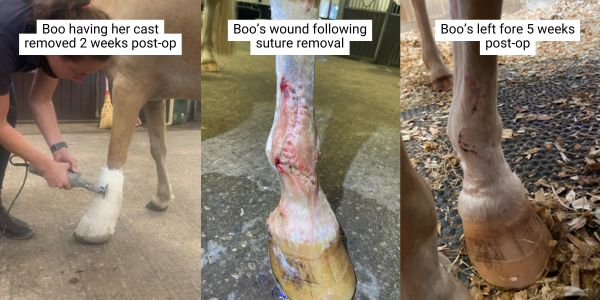
Boo recovered uneventfully from her surgery and general anaesthetic. Post-operatively, Boo had several casts placed to keep her limb as still as possible. Cast removal followed 2-weeks post-operatively and after this Boo’s distal limb was placed in a 2-layer bandage. After each bandage change, we were all quietly optimistic as her wound was holding together well and Boo remained comfortable.

We were absolutely thrilled that after 5-weeks Boo had made a complete recovery and was able to go back out in the field with her friends. This was down to the commitment of Boo’s wonderful owners supported by our veterinary team. Thank you so much to Boo’s owners for allowing us to share her story.

CHRONIC PROGRESSIVE LYMPHOEDEMA (CPL)

CHRONIC PROGRESSIVE LYMPHOEDEMA (CPL)

CPL is a condition which we are seeing with increasing frequency in our ‘hairy’ population – draft breeds, cobs and certain natives. It was only relatively recently (2003) recognised as a specific, stand-alone condition, and it is still not fully understood, but here is what we know so far.

  • As the name suggests, this is a long term (‘chronic’) condition which progresses over time, resulting in build-up of lymphatic fluid within the tissues (‘lymphoedema’) of the lower limbs.
  • Longstanding lymphoedema results in inflammation, tissue fibrosis and changes in the elastin fibres in the affected areas, resulting in ongoing reduced ability for the lymphatic fluids to drain from these areas – so you get a vicious cycle of fluid build-up.
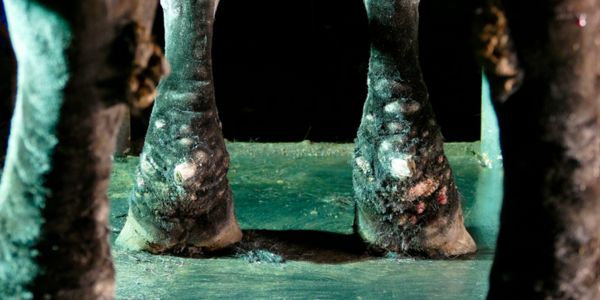
  • Affected horses develop ‘rolls’ or ‘nodules’ of thickened skin – in more severely affected cases these can be seen despite the feathering, but in milder/early stage cases they might not be obvious, and may only be picked up by palpation of the limbs.
  • There will also be increased exudate (the ooze that comes from the skin), crusts, hyperkeratosis, and thickening of the skin layers.
  • Cases range from only mildly affected (where you may need to get ‘hands on’ to diagnose by palpation) to severely affected (thickened rolls around the whole circumference of the limb, potentially extending further up the limb to the hocks or knees).

TREATMENT

Unfortunately, CPL is a lifelong condition for which there is no cure; instead, management is focused around four areas, to try and slow down the progression and reduce symptoms.

  1. Lymphatic drainage – movement is really important! Studies show that horses who have less movement are more likely to be severely affected than those used for riding/working. Muscular activity acts as a pump for the lymphatic vessels. There are also massage techniques that can be used, and in some cases compressive bandaging has been used – but the latter is tricky to perform correctly, and the risk of bandage sores is high.
  2. Skin hygiene – secondary bacterial skin infections are common in these cases, due to the increased skin exudate and thickening. Clipping is strongly advised to allow access to the skin, and regular cleaning/washing of the limbs in suitable shampoos/solutions, and application of topical antibacterials. Also – good stable hygiene is important!
  3. Ectoparasite control – whilst feather mites are not the sole cause of CPL, they can make things worse by causing further irritation and inflammation. In severe cases where there are thick crusts, topical mite treatments applied after cleaning of the limbs may be recommended over injectable treatment, as the mites may be ‘hidden’ within the thick crusts and not accessible by an injected treatment. Maggots (‘flystrike’) are also possible in some cases.
  4. Diet – higher starch/sugar diets are linked to higher insulin levels, and in turn higher levels of inflammatory cytokines within the blood stream – this can promote inflammation within the lower limbs. Therefore, a low sugar diet is recommended in these horses, and weight loss where appropriate.

Some horses with CPL may benefit from long term pain relief, to promote movement and reduce inflammation in the affected areas.

It is believed that there is likely to be a genetic link with CPL, which is why some breeds are much more likely to be affected than others, and why some individual horses will suffer from CPL and others not, despite the same management. Unfortunately, this link is not proven yet but is an ongoing area of research. We would recommend careful consideration before breeding from a horse affected with CPL however, due to this possibility.