

Call Us
Goosnargh:
Lytham Road:
Kirkham:

WHY HEALTH CHECKS MATTER (EVEN WHEN YOUR PET LOOKS FINE)

Cat on table

WHY HEALTH CHECKS MATTER (EVEN WHEN YOUR PET LOOKS FINE)

It’s easy to assume that a healthy-looking pet doesn’t need a trip to the vet. If they’re eating well, full of energy and behaving normally, it can feel like there’s nothing to worry about.

However, many health conditions in pets develop quietly, with no obvious early signs. Regular health checks are designed to catch these hidden issues early, before they become more serious, more expensive to treat, or start affecting your pet’s quality of life.

Cats and dogs on our 365 Care Plan get two 10-point health checks included every year.

WHY “LOOKING FINE” ISN’T ALWAYS ENOUGH

Pets are naturally very good at hiding illness. In the wild, showing weakness would make them vulnerable, so even domestic dogs and cats often continue eating, playing and acting normally while underlying problems develop.

Common conditions that may not show early signs include:

  • Dental disease
  • Heart conditions
  • Kidney or liver disease
  • Arthritis and joint pain
  • Weight-related health issues
  • Early skin or ear problems

By the time symptoms become obvious, the condition may already be more advanced.

WHAT HAPPENS DURING A 10-POINT HEALTH CHECK?

This is a thorough nose-to-tail assessment carried out by a vet. It typically includes:

  • Listening to the heart and lungs
  • Checking eyes, ears, teeth and gums
  • Assessing skin and coat conditions
  • Feeling joints, abdomen and lymph nodes
  • Reviewing mobility
  • Assessing weight and body condition
  • Checking nails and animal glands
  • Reviewing diet, behaviour and lifestyle
  • Checking microchip, parasite prevention and vaccination status

It’s also a chance to discuss any small changes you may have noticed at home, even if they seem minor.

EARLY DETECTION MAKES A BIG DIFFERENCE

Catching health problems early often means:

  • Simpler, less invasive treatment
  • Better long-term outcomes
  • Reduced discomfort for your pet
  • Lower overall treatment costs
  • More treatment options available

In many cases, early intervention can significantly slow or even prevent disease progression.

TAILORED CARE FOR EVERY LIFE STAGE

Health checks are not just for older pets. They are important at every stage of life:

  • Puppies and kittens: monitoring growth, development and vaccination status
  • Adult pets: maintaining preventative care and detecting early disease
  • Senior pets: managing age-related conditions such as arthritis or organ decline

As pets age, subtle changes can happen quickly, making regular checks even more important.

A CHANCE TO REVIEW PREVENTATIVE CARE

Your pet’s health check is also the perfect opportunity to review:

  • Vaccinations
  • Flea, tick and worming protection
  • Diet and weight management
  • Dental care routines
  • Lifestyle risks such as travel or boarding

At our practice, we also offer year-round parasite protection options, including our annual flea and tick protection injection for dogs, designed to help keep prevention simple and consistent throughout the year.

SMALL VISIT, BIG IMPACT

Even when your pet seems completely well, regular health checks provide reassurance that everything is on track. It’s one of the simplest and most effective ways to support long-term health and wellbeing.

A short appointment twice a year can make a lasting difference to the length and quality of your pet’s life!

NEVER LEAVE PETS IN HOT CARS…EVEN FOR ‘JUST A MINUTE’!

NEVER LEAVE PETS IN HOT CARS…EVEN FOR ‘JUST A MINUTE’!

Every summer, veterinary teams across the UK see preventable emergencies caused by one simple mistake: pets being left in hot cars. Even on days that feel only mildly warm, the temperature inside a vehicle can rise dangerously within minutes.

Leaving a window slightly open or parking in the shade does not make it safe. Cars trap heat quickly, and dogs and cats are unable to cool themselves effectively in these conditions. What feels like “just a few minutes” to an owner can rapidly become a life-threatening situation for a pet.

WHY CARS BECOME SO DANGEROUS SO QUICKLY

On a warm day, the temperature inside a parked car can rise extremely fast, far beyond the outside temperature. Within minutes, it can become hot enough to cause heat stress, heatstroke, and even death.

Pets are particularly vulnerable because they:

  • Don’t sweat in the same way humans do
  • Rely mainly on panting to cool down
  • Can overheat much faster than people realise

SIGNS A PET IS IN DISTRESS

If a pet is suffering from heatstroke, you may notice:

  • Heavy panting or difficulty breathing
  • Excessive drooling
  • Lethargy, confusion or unsteadiness
  • Vomiting or collapse
  • Bright red or very pale gums

Heatstroke is a medical emergency and requires immediate veterinary attention.

WHAT TO DO IF YOU SEE A PET IN A HOT CAR

If you are concerned that an animal is in danger:

  1. Check the situation quickly – look for signs of distress.
  2. Try to locate the owner immediately – ask nearby shops or venues.
  3. Call for help – contact the police on 999 if the animal appears in immediate danger, or the RSPCA on 0300 1234 999.
  4. Stay with the animal until help arrives, if it is safe to do so.

THE SAFEST CHOICE: LEAVE PETS AT HOME

Even short stops “on the way back” or “just popping in” can turn dangerous. The safest option is always to leave pets at home where they are cool, comfortable and safe.

If you are travelling with your dog during warmer weather, plan ahead:

  • Set off early in the morning or later in the evening
  • Bring plenty of water and allow regular time for regular breaks
  • Avoid unnecessary car journeys where possible

A FINAL REMINDER

No errand is worth putting a pet’s life at risk. If you are even slightly unsure, do not leave your pet in the car. A cool, safe home is always the best place for them to wait.

STAY ONE STEP AHEAD OF FLEAS, TICKS AND MITES

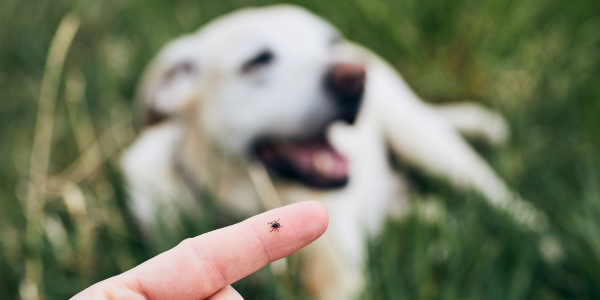
Dog in grass with tick

STAY ONE STEP AHEAD OF FLEAS, TICKS AND MITES

Fleas, ticks and mites are among the most common parasites affecting pets in the UK. Not only can they cause irritation and discomfort for our furry companions, but some can also transmit disease and pose a risk to human health. The good news is that with modern preventative treatments and regular checks, these unwelcome visitors can often be stopped before they become a problem.

FLEAS: TINY INSECTS, BIG HEADACHES

Fleas are tiny, wingless insects that feed on the blood of pets and wildlife. They reproduce rapidly, laying hundreds of eggs that can quickly lead to a household infestation.

Fleas are often difficult to spot because they are small and fast-moving. You may be more likely to find “flea dirt” (flea droppings), which appears as tiny dark specks in your pet’s coat. Some pets, particularly cats, groom excessively when affected, removing evidence of fleas before they can be seen.

The best way to prevent an infestation is regular use of an effective flea treatment. Once fleas become established in the home, eradication can take several weeks. Many flea treatments are available, but not all products are equally effective.

TREATING A FLEA INFESTATION

All pets in the household should be treated with an effective flea product. The home must also be treated, as around 95% of the flea population exists in the environment rather than on your pet.

Flea pupae are protected by a tough cocoon, making them resistant to many treatments. These pupae must hatch before they can be eliminated, which is why infestations can take time to clear.

To help eliminate fleas:

  • Turn up the heating to encourage faster hatching.
  • Vacuum regularly to remove fleas and stimulate pupae to emerge.
  • Wash pet bedding (and any bedding pets use) on a hot cycle.
  • Treat carpets and furniture with a suitable flea spray, following instructions carefully.
  • Don’t forget to treat carpets and upholstery in the car.

Flea Allergic Dermatitis (FAD)

This is where the pet becomes allergic to flea saliva. Every time a flea bites it causes intense irritation. This leads to intense scratching and scabs especially around the head and neck and at the base of the tail. Often the pet, especially cats, will pull out a lot of fur with resulting bald areas.

TICKS: TINY PESTS, BIG PROBLEMS

Ticks are especially common in wooded areas, grassy fields and moorland – exactly the sort of places many dogs love to explore. Different species of ticks feed on a variety of animals, including sheep, deer and hedgehogs, meaning pets that spend time outdoors are more likely to encounter these blood-feeding parasites.

What to look out for:

  • A tick may appear as a small grey, brown or black lump attached to your pet’s skin.
  • Ticks are commonly found around the head, ears, neck and legs.
  • As they feed, they swell in size and can become much easier to spot.
  • Pets may not always show signs of discomfort, so regular checks are important.

Tick-borne diseases in the UK and abroad

Ticks can transmit a range of diseases. In the UK, Lyme disease (borreliosis) is the most recognised tick-borne illness. Pets travelling abroad may be exposed to additional diseases, including babesiosis and ehrlichiosis, which can have serious health consequences. If you’re planning to travel with your pet, speak to your vet well in advance to ensure appropriate parasite protection is in place.

Prevention and removal

Effective parasite prevention remains the best defence against ticks. Dogs receiving our annual flea and tick protection injection benefit from continuous protection throughout the year, helping to reduce the risk of tick infestations and tick-borne disease.

If you find a tick attached to your pet:

  • Remove it as soon as possible using a tick-removal tool.
  • Ensure the tick’s mouthparts are removed completely.
  • Avoid squeezing, twisting or pulling the tick with your fingers or ordinary tweezers, as this may increase the risk of irritation or infection.
  • Contact us if you’re unsure how to remove it safely.

MITES: TINY PARASITES, BIG IRRITATION

Mites are tiny parasites that live on or within the skin. Although most cannot be seen with the naked eye, their effects can be significant. Infestations often lead to intense itching, scratching, inflammation and skin damage, leaving pets extremely uncomfortable.

Common mites seen in pets include:

  • Sarcoptes (Scabies or Fox Mange)
    Causes severe itching and is highly contagious between dogs. It can occasionally affect humans.
  • Ear Mites (Otodectes)
    Common in puppies and kittens, causing itchy ears and a dark, waxy discharge.
  • Cheyletiella (Walking Dandruff)
    Produces flaky skin and irritation along the back. It can occasionally be transmitted to people.
  • Harvest Mites
    Bright orange mites most commonly seen during late summer and autumn, often affecting the feet, face and tummy after walks through long grass.
  • Demodex
    Normally lives within hair follicles and oil glands. These mites are not contagious but can cause skin problems when a pet’s immune system is compromised.

Getting the right diagnosis and treatment

Mite infestations can be difficult to diagnose without veterinary examination, and treatment varies depending on the species involved. If your pet is scratching excessively, developing hair loss, or showing signs of sore or inflamed skin, it’s important to seek veterinary advice.

Early diagnosis and treatment can help prevent discomfort and more serious skin problems from developing.

STAY VIGILANT, STAY PROTECTED

Parasites may be small, but they can have a big impact on your pet’s health and wellbeing. Regular checks, effective prevention and prompt treatment are the best ways to keep your pet protected.

With our reminder service and prescription-strength parasite prevention, staying on top of fleas, ticks and worms has never been easier. We offer a range of options, including spot-on treatments, three-monthly tablets and our increasingly popular annual flea and tick injection for dogs.

Our 365 Care Plan includes year-round parasite protection from just £21 per month, plus a host of additional benefits and savings. Ask a member of our team about joining and spreading the cost of your pet’s preventative healthcare.

Remember: preventing an infestation is always easier than treating one!

EXERCISING DOGS IN SUMMER: HOW MUCH IS TOO MUCH?

Dog in the sun

EXERCISING DOGS IN SUMMER: HOW MUCH IS TOO MUCH?

As temperatures rise during the summer months, keeping pets active is still important, but how and when they exercise matters just as much as how much they do.

While regular exercise is essential for maintaining a healthy weight, good behaviour and mental wellbeing, hot weather can quickly turn a normal walk into a health risk if precautions aren’t taken.

WHY SUMMER EXERCISE NEEDS EXTRA CARE

Dogs don’t regulate body temperature as efficiently as humans. They rely mainly on panting to cool down, which becomes less effective as the surrounding temperature rises. When combined with exercise, this can quickly lead to overheating.

Even on days that don’t feel extremely hot, factors like humidity, direct sun and lack of airflow can increase risk.

SIGNS YOUR PET MAY BE OVERDOING IT

Watch carefully for early signs of heat stress, including:

  • Excessive panting or drooling
  • Slowing down or reluctance to continue walking
  • Bright red gums or tongue
  • Wobbliness or confusion
  • Seeking shade or lying down repeatedly
  • Vomiting or collapse in severe cases

If any of these signs appear, stop exercise immediately, move your pet to a cool area and seek veterinary advice if needed.

TIMING IS EVERYTHING

During summer, the timing of walks is more important than the distance.

  • Early morning and late evening are safest.
  • Midday walks should be avoided entirely on warm days.
  • Always check pavement temperature before heading out. If it’s too hot to comfortably hold your hand on the ground for 5–7 seconds, it’s too hot for paws.

BREED DIFFERENCES MATTER

Not all dogs tolerate heat in the same way. Some are naturally more vulnerable and require extra caution. Higher-risk dogs include:

  • Brachycephalic breeds (flat-faced dogs) such as Bulldogs, Pugs and French Bulldogs
  • Overweight or obese dogs
  • Very young puppies and older dogs
  • Thick-coated breeds like Huskies or Newfoundlands
  • Dogs with heart or respiratory conditions

Brachycephalic dogs are particularly at risk because their shortened airways make panting less efficient, meaning they can overheat quickly even with mild activity.

HOW MUCH EXERCISE IS ENOUGH IN HOT WEATHER?

There is no single rule that fits every dog, but in summer the focus should shift from “distance” to “quality and safety”.

On hot days, consider:

  • Shorter, more frequent walks
  • Shaded routes such as woodland paths
  • Sniffing games and mental stimulation instead of long walks
  • Indoor play or enrichment activities during peak heat

Mental exercise can be just as tiring as physical activity and is often safer in extreme temperatures. Just 10–15 minutes of mental enrichment can be as tiring as a much longer walk, helping your pet stay happy and content during hot weather. Here are some simple ideas:

  • Food puzzles and treat-dispensing toys – encourage natural hunting and problem-solving while rewarding your dog.
  • Snuffle mats – hide treats among the fabric for your dog to sniff out.
  • Scent games – hide treats or favourite toys around the house and ask your dog to find them.
  • Training sessions – practise basic commands, tricks, or teach new skills such as spin, paw, or roll over.
  • Scatter feeding – sprinkle kibble around a room or garden for your dog to search for.
  • Frozen enrichment treats – stuffed Kongs, lick mats, or frozen pet-safe treats can provide both mental stimulation and cooling.
  • Interactive play – gentle games of tug or hide-and-seek indoors.
  • Obstacle courses – create simple indoor challenges using cushions, chairs, and blankets.


COOLING YOUR DOG SAFELY

Simple steps can help keep pets comfortable:

  • Always provide fresh, cool water
  • Walk in shaded areas whenever possible
  • Use cooling mats or damp towels for resting
  • Allow time to rest and recover after exercise
  • Avoid throwing balls or intense fetch games in heat

Never rely on swimming alone as a cooling method and always supervise water activities.

A simple rule to remember:

If you are struggling with the heat, your dog almost certainly is too. Adjusting routines during warmer months is not limiting your pet, it’s protecting them.

FINAL THOUGHTS

Summer exercise is still important, but it should always be safe, sensible and tailored to the conditions of the day. By choosing cooler times, watching for early warning signs and understanding your dog’s individual needs, you can keep them active without putting their health at risk.

Be vigilant and if you have any concerns please call Oakhill Vets on 01772 861300.

Sneaky peek at our new small animal facilities?

Join us for a behind-the-scenes look at the brand new small animal facilities at our Goosnargh branch on:

Sunday 13th October 2019
1pm – 4pm

at Oakhill Veterinary Centre, Langley Lane, Goosnargh, PR3 2JQ

  • Practice tours 
  • See behind the scenes at your local vets
  • Meet the team
  • Refreshments
  • Demonstrations
  • Children’s activities

PLUS there’ll be a FREE PRIZE DRAW to be in with a chance of winning a Chocolate Hamper!

We hope you can join us!