
Call Us
Goosnargh:
Lytham Road:
Kirkham:

Red Tractor Standards Changes

Red tractor standards

There has been an update in the Red Tractor Assurance Standards coming into effect from October 2017. A full list of changes is available on the Red Tractor website, the main changes affecting your herd health plan are listed below.

Dairy:

· Documented medicine records – all antibiotics used must be collated, and an annual review must be undertaken by the vet.

· Farm to farm sales of animals under statutory withdrawal periods for medicines must be accompanied by a withdrawal period declaration.

· Colostrum – a colostrum protocol must be put in place to ensure young stock are receiving adequate colostrum. The protocol must be added to the herd health plan. A recommendation has been added that the quality of colostrum should be tested.

Beef and Lamb:

· Animal medicines – recommendation that the highest priority critically important antibiotics are only used as a last resort and under veterinary direction.

· Farm to Farm sales of stock under statutory withdrawal periods for medicines must be accompanied by a withdrawal period declaration.

· A farm biosecurity plan must be created, implemented and updated in relation to health and performance reviews. Disinfectants across the farm should be DEFRA approved.

To find out about all Red Tractor Assurance Standards, please go to: http://assurance.redtractor.org.uk/tools-and-library
Respiratory Disease- Cattle

Respiratory disease is estimated to cost the UK cattle industry £80 million annually through increased mortality, veterinary drug costs and most importantly weight 

loss/reduced performance. Whilst the effects on clinically affected animals are obvious often the rest of the group will be affected sub-clinically resulting in reduced growth rates.

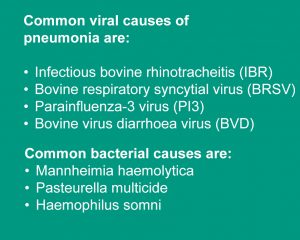
For respiratory disease, prevention is vital as many animals never fully recover from severe cases and is through a combination of good management, good ventilation, and effective vaccination protocols prior to the risk period (housing/weaning).

respiratory symptoms cattle

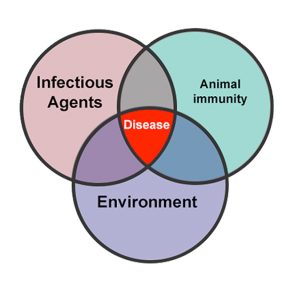
Respiratory disease occurs when environmental factors, infectious agents and inadequate immunity come together and tip the balance in favour of disease. In beef systems, stressful events such as dehorning and castration are best undertaken before housing or delayed until calves have been housed for at least 6 weeks.

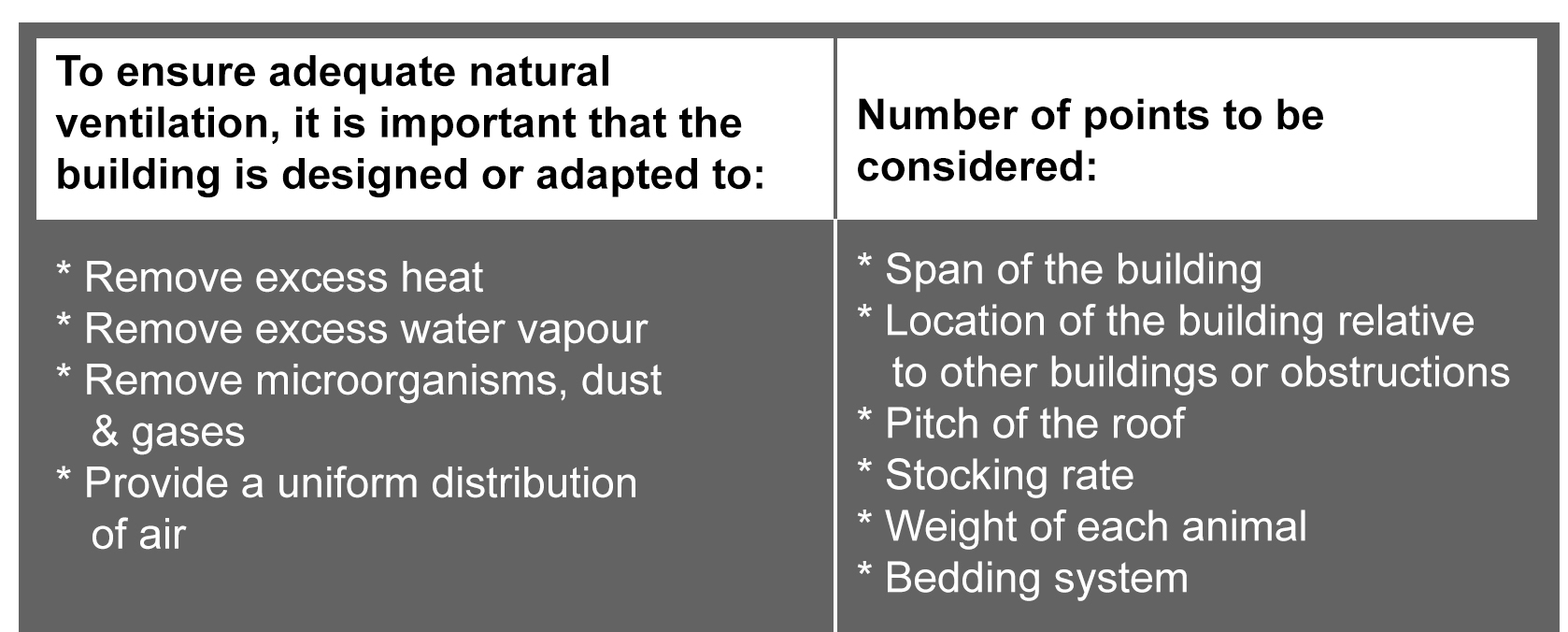
Ventilation is key!

The minimum recommended air changes within a building of 10 times each hour, increasing in summer up to around 60 air changes per hour. High ammonia levels from manure irritate the respiratory tract and will make the animal more vulnerable to respiratory disease. Studies have shown that the ammonia levels a calf is exposed to in the first four months of life severely impact on the age at first calving, and lifetime productivity.

respiratory disease in cattle

We are offering Subsidised Ventilation Assessments in the month of September, please contact us at the clinic to arrange yours today!