
Call Us
Goosnargh:
Lytham Road:
Kirkham:

LIVER FLUKE – SIGNS, DIAGNOSIS, PREVENTION AND TREATMENT

LIVER FLUKE – SIGNS, DIAGNOSIS, PREVENTION AND TREATMENT

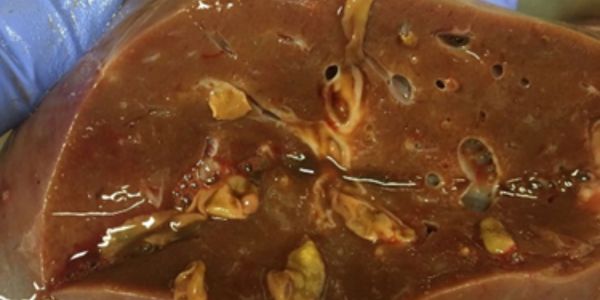
Liver Fluke (Fasciolosis) is a disease caused by the flatworm Fasciola hepatica. It affects a wide range of animals, including sheep and cattle, and although humans can become infected, although this is very rare in the UK. The disease is estimated to cost the UK livestock industry around £300 million every year due to liver condemnations, animal deaths, and reduced productivity.

WHERE DOES IT COME FROM?

The liver fluke life cycle begins when eggs are passed onto pasture in animal faeces. These hatch and infect a small mud snail (Galba truncatula), where they multiply and develop. Under suitable wet conditions, immature fluke called cercariae leave the snail and encyst on vegetation as metacercariae — the highly infectious stage.

Animals become infected when they graze contaminated pasture. The ingested metacercariae develop into juvenile flukes that migrate through the liver, causing significant damage, before moving into the bile ducts where they mature into adults. Adult fluke produce eggs that pass out through the digestive tract and continue the cycle.

It takes approximately 10–12 weeks from ingestion of metacercariae for adult fluke to be present in the bile duct.

Unlike gut worms, animals do not develop immunity to liver fluke, meaning all ages are susceptible.

CLINICAL SIGNS

Disease is caused both by juvenile flukes migrating through liver tissue and by adult flukes feeding in the bile ducts.

SHEEP
Acute fasciolosis
Caused by large numbers of migrating juvenile fluke. Can lead to sudden death from internal bleeding or secondary clostridial infections (Black Disease). Signs may include extreme lethargy, abdominal pain, reluctance to move, and collapse. Most common in late summer and autumn.
Sub-acute fasciolosis
Fewer migrating fluke cause rapid weight loss, poor fleece quality, inappetence, weakness and depression. Death can occur without treatment. Typically seen in autumn.
Chronic fasciolosis
Caused by adult fluke in the bile ducts. More common in late winter and early spring. Signs include poor body condition, anaemia and bottle jaw (fluid swelling). Results from impaired liver function and inflammation.

CATTLE
Cattle typically develop chronic disease, shown by poor weight gain and anaemia. Sub-clinical infection can reduce milk yield. Diarrhoea is possible but usually linked to secondary Salmonella infection.

DIAGNOSIS – PREVENTION – TREATMENT

Diagnosis

Liver fluke can be detected through bulk milk, blood tests, or faecal testing. Different tests identify infection at different stages, so test choice depends on the time of year and level of risk.

Prevention

Fluke risk varies greatly between farms and even between fields. Wet, boggy or slow-draining areas are high-risk grazing zones. Identifying and, if possible, fencing off or avoiding known “flukey” areas during peak risk periods can reduce infection.

Treatment

Choosing the correct treatment depends on the age and stage of the fluke present, as not all products are effective against every stage. Understanding seasonal risk and test results is essential when planning treatments.

Please get in touch for any information regarding fluke and its treatment.
REDUCING THE IMPACT OF E. COLI MASTITIS ON YOUR HERD

REDUCING THE IMPACT OF E. COLI MASTITIS ON YOUR HERD

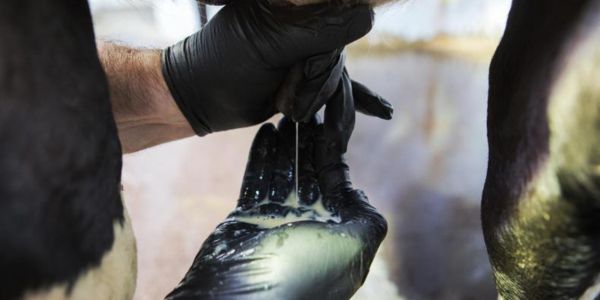
Mastitis remains one of the most expensive diseases in dairy cattle, typically costing £250–£300 per case. E. coli mastitis has been shown to reduce milk production by around 15%, equating to approximately 200 litres per cow per lactation, Clinical signs range from mild changes in milk to rapidly developing toxic mastitis which all to commonly can result in death.

E. coli is generally considered an environmental pathogen with infection resulting from bacteria in the cow’s environment gaining access to the udder. E. coli is commonly found in the gut of healthy cows and passed into the cow’s environment in faeces. In order to cause mastitis, E. coli must first gain access to the teat end then migrate up the teat canal and finally become established in the udder.

REDUCING THE CHANCES OF E.COLI

Bedding choice significantly influences the ability of the bacteria to multiply, with sand being lowest risk. Whilst sand beds still need to be maintained it is much more difficult for bacteria to multiply in it. Organic materials such as sawdust or straw can work well but it’s vital that they are clean and dry before applying, moisture is important for bacteria to multiply.

Bedding conditioners such as lime have been found to reduce E. coli’s ability to multiply by drying the bed and raising the pH, but the action is short lived; 24-48 hours. So generally, they need to be applied daily.

Dietary issues that cause loose faeces lead to dirtier udders. Rapid ration changes and SARA are common contributors. Vitamin E and selenium deficiencies weaken immunity and increase severity.

Historically we’ve often seen a higher incidence of severe toxic cases in robotic milking systems. Newer designs and management strategies have gone a long way to reduce the risks. The increased risk is thought to be caused by a number of factors including, the potential for irregular milking intervals in some cows, the ability of the robot to deal with more severe teat contamination during the premilking prep and footbathing immediately exiting the robot splashing teats. Generally, most of these issues can be overcome with changes to robot setup or routine.

There is a commercial vaccine available in the UK, Startvac® which has been shown to reduce severity of E. coli, mastitis. Though it does not reduce the number of cases., it is a useful tool in herds struggling with severe cases as significantly more of the cases only present with milk changes.

TREATMENT

Rapid treatment is vital as mild cases can quickly become toxic.

Recommended approach:

Anti-inflammatories (NSAIDs) and fluids are the mainstays of therapy. All cases should receive an NSAID such as Metacam or Ketofen to reduce inflammation and oral fluids. Severe cases often benefit from intravenous fluids, traditionally reserved for recumbent cases, we’ve seen improved responses from dripping standing cows with severe E. coli. Oxytocin can help with milking out, reducing the amount of toxin the cows is exposed to. Frequently the cows are also low in calcium and so supplementation may be beneficial. Antibiotic use in these cases remains controversial but is generally indicated in more severe cases as bacteria can be found in the blood of up to 30% of cases.

CONCLUSION

E. coli mastitis is common across dairy farms, but risk can be significantly reduced through clean bedding, good hygiene, nutritional stability, and proactive management. Early treatment greatly improves outcomes, and vaccination can help reduce severity on affected farms.

iiE PROGRAM GREEN LEVEL ACHIEVED BY OAKHILL VETS

iiE PROGRAM GREEN LEVEL ACHIEVED BY OAKHILL VETS

In 2022, Oakhill Vets embarked on its journey toward accreditation with Investors in the Environment (iiE), a national environmental accreditation scheme. The iiE program is designed to help organisations save time and money, minimise their environmental impact, and gain recognition for their sustainability efforts. The scheme focuses on four key areas of sustainable development: Leadership and Governance, Climate Change, Nature and Natural Resources, and Pollution and Waste.

Vet Lisa, Oakhill’s ‘Sustainability Lead,’ has been spearheading these efforts alongside sustainability champions, the wider staff team, and the directors. After a period of extensive reporting and planning, Oakhill had its second ‘Sustainability Audit’, and we are proud to announce that we achieved Green Level accreditation with an impressive score of 77%, skipping the Silver Level entirely!

To reach the Green Level, we demonstrated continuous improvement by implementing our Environmental Management System (EMS), achieving a minimum 2% efficiency improvement year after year. We have shown measurable success and progress, promoting sustainable development throughout our organisation and value chain while preparing for net-zero emissions and beyond. This includes:

  • Expanding the scope of environmental initiatives
  • Managing the environmental impact of work-related travel
  • Evaluating and greening our supply chain
  • Setting ambitious carbon reduction goals
  • Undertaking meaningful sustainability projects
  • Regularly reporting progress to stakeholders

At the Green Level, our focus has shifted toward broader sustainability efforts across the entire organisation, including sustainable procurement practices and addressing carbon emissions throughout our value chain.

In our audit report iiE said:
“Bronze Level Accreditation was achieved in 2023 by the practice, and although Oakhill Vets was aiming to achieve Silver Level Accreditation in this year’s audit, Green Level has been awarded. This is due to the extensive actions implemented which address usage of all resources, improvement in data collection, and the way sustainability has become embedded to form an integral part of the practice’s business approach. Further, the wider team show passion for changes, actively contributing ideas and taking ownership of sustainability projects in various areas across the practice. Work on projects this year has also been exemplary, and far surpasses the requirements of both Silver and Green Level Accreditation, as well as covering all three project areas: resource use/management, environment, and social/wellbeing.

“The practice has worked hard to establish a strong EMS over the past two years: Oakhill Vets should now seek to build on this in key areas, such as water management and introducing planned actions around travel. The practice is now in a good position to begin work to form an early draft for a long-term plan to clearly illustrate how its Net Zero by 2040 goal will be achieved. In the meantime, data collection should continue to be strengthened now that more reliable sources have been identified, which will support monitoring of performance when working towards the overall Net Zero target.”

ALTERNATIVE STRATEGIES FOR WORM CONTROL

ALTERNATIVE STRATEGIES FOR WORM CONTROL

Resistance to commonly used wormers in sheep has been reported since the 1980s but more recently resistant worms have been found on up to 100% of farms. Therefore, it is increasingly important to change how we use wormers to avoid selecting for resistance and to ensure that we continue to have these tools for the future. The recent testing requirements as part of the Animal Health and Welfare Pathway encourage farmers to identify resistance on their farm and therefore begin to understand how well their worming strategies are working. Following guidance from SCOPS (Sustainable Control of Parasites in Sheep) is important to make sure wormers are being used appropriately (see below); but what other options are there for worm control that don’t involve use of wormers?

There are 3 areas to consider when trying to reduce dependence on wormers: decreasing exposure to worms, increasing sheep resistance to infection and reducing the impact that infection has….

DECREASING EXPOSURE TO WORMS

  • Grazing management
    Pasture can be classified as high or low risk in terms of worm burden based on previous grazing history (for example pasture previously grazed by lambs will be higher risk) and weather information. Risk can be reduced through use of rotational systems with cattle and hay/silage production. Utilise parasite forecasts to know when high risk periods are likely to be. Additionally, most worm larvae are found close to the ground so avoid overgrazing pasture.
  • Bioactive forages
    Grazing certain plants such as chicory, birdsfoot trefoil, sulla and sainfoin have been associated with lower worm burdens in sheep. The reason for this is not fully known but may be due to high tannin levels in these plants or higher protein levels.
  • Reducing stocking density
    Fewer sheep result in lower worm egg production and therefore reduced pasture contamination.
  • Management of lambs
    Housing lambs for finishing means they are no longer exposed to worm eggs on pasture. The number of eggs on pasture increases through the grazing season, so aiming to grow lambs fast and get them off farm early means they are exposed to lower burdens.

INCREASING SHEEP RESISTANCE TO INFECTION

  • Nutrition
    Ensuring adequate body condition will mean that sheep have the energy required to build an immune response against worms. Additionally, ensure there are no deficiencies such as cobalt or copper as this can reduce the immune response. Increasing protein levels in ewe diets around lambing can reduce the shedding of eggs and therefore pasture contamination for lambs.
  • Breeding resistant sheep
    Some sheep seem to build stronger immune responses against worms and therefore have lower worm egg counts. Breeding from these sheep can improve the flock’s overall resistance. Individual worm egg counts at 21 weeks old has been shown to be a predictor of worm egg output in first lambing and lactation. Antibody levels in blood can also be used as a predictive value, and this can be used alongside WECs to select parasite resistant rams.

REDUCING IMPACT OF INFECTION ON SHEEP

  • Breeding tolerant sheep
    Some sheep maintain high levels of production despite high worm burdens. Therefore, scoring sheep based on growth rates or dag scores may be useful to determine which animals should be bred from.

SCOPS PRINCIPLES

  • Use anthelmintics only when necessary: utilise worm egg counts throughout the grazing season prior to treatment
  • Administer effectively: dose to the heaviest animal in the group, store products correctly and maintain dosing equipment
  • Preserve susceptible worms: leave 10% of lambs untreated (for example well grown lambs with no scour are unlikely to require dosing), and avoid ‘dose and move’ strategies
  • Quarantine bought in stock: treat with an effective wormer and then delay turnout for 48 hours, quarantine from main flock for 28 days
  • Select the appropriate anthelmintic: test for resistance so you know which wormers are effective on your farm and avoid using combination products unless necessary

COW TRACKS

COW TRACKS

With turnout time upon us it is a good time to have a look at your cow tracks and ensure that they are in good repair to benefit both you and your cows.

Advantages of a cow track

A good cow track will ensure that your herd can move safely around your farm as well as improving cow flow, reducing lameness caused by claw damage, reducing field poaching, and improving cow cleanliness and udder hygiene. Effective cow tracks can even extend your grazing season by providing better field access as well as saving you money on treatments arising from issues with foot and udder health.

THE IDEAL COW TRACK

When installing or re-designing a cow track it is important to take into consideration cow comfort. The ideal cow track will have the below features:

  • Width: Dependant on your herd size the minimum width of the surfaced track should be between 4 metres (for herds of 200 cows) and 7 metres (for herds of 500 cows).
  • Layout: The track should run the shortest route from A to B. Not only will this save on track materials, but also the energy used by the cows that can be available for milk production instead. Avoid sharp turns, very steep sections (gradients ideal no more than 8%), and bottlenecks.
  • Surface: Should be free draining and quick drying, free of sharp grit and large stones as well as any material that could get trapped between claws. It should have good underfoot grip but not be overly abrasive. Ideally it should be cushioned for cow comfort. Some examples of cow track materials include oolitic limestone, sandstone, chalk, woodchips, or crushed stone or rubble stabilised with cement.

HOW TO MOVE YOUR COWS ON THE TRACK

Installing an effective track is vital, but it is just as important to keep in mind how cows want to move on a cow track. Cows need space to move their heads freely to allow them to place their feet safely and avoid more dominant cows, so ensure you give your cows space and do not force them to compact together.

As well as space, they also need time to rearrange themselves once they enter the parlour. The order they walk along the track is not necessarily the order in which they are milked. Dominant cows walk at the front of the herd and will not be over-taken by less dominant members of the herd, this means animals at the back of the group are under more pressure and tend to bunch at the back so avoid putting pressure on cows at the rear of the herd. Cows want to move forwards, only less dominant cows and heifers reverse when under pressure, you can avoid this backwards movement by increasing the distance between the herdsman and the herd when on the track.

DON’T FORGET THE NECESSARY PERMISSIONS!

If your track runs near a watercourse, and depending which material you choose, you may need to seek advice from the Environment Agency or Internal Drainage Board. Permissions from the landowner and local authority should be sought. Areas of historical significance or wildlife interest should be avoided.

CLOSTRIDIAL DISEASES

CLOSTRIDIAL DISEASES

Clostridia are a group of bacteria that are commonly found in soil and in the digestive tracts of animals. They can produce toxins that cause a variety of diseases in farmed animals, and which can lead to sudden death in many cases. The bacteria can survive as spores in the environment for a long time and therefore preventing exposure is usually not feasible, and treatment of affected animals is typically unsuccessful. However, vaccines are available which provide protection against the toxins.

Clostridial vaccines generally require a primary course of 2 doses followed by an annual booster. For breeding females this booster should be in late pregnancy to provide protection for their offspring. Lambs and suckler calves will then need vaccination when the colostral protection runs out after 12 weeks.

Black Leg

Clostridial spores are ingested and travel from the gut to the muscle through the blood. Subsequent damage to the muscle (for example following trauma or excess exercise) can lead to toxin production. In sheep there is often a history of wounds, for example following shearing or tail docking. The toxins damage the muscle and spread in the blood leading to fever, inappetence and rapid death. Affected muscles are often massively swollen and may feel crackly when touched. Cases are commonly seen soon after turnout to new pasture and animals in good condition may be more likely to be affected.

Tetanus

The bacteria causing tetanus usually to enter the body through contaminated wounds, such as following tail docking, dehorning or castration. They then produce a toxin which attacks the nervous system, leading to rigid paralysis. Clinical signs include a raised tail, extended neck, lock jaw, difficulty walking, and bloat followed by death.

Botulism

Botulism is caused by direct ingestion of clostridial toxins which are usually associated with bird carcasses or poultry manure in feed. The toxins affect the nervous system leading to weakness which may progress to recumbency and death. In some cases, affected animals may recover, however often euthanasia on welfare grounds is required. Protection against botulism is not provided by multivalent clostridial vaccines and therefore a separate vaccine is needed for high-risk farms.

Pulpy kidney

Pulpy Kidney disease is frequently reported to be in the top 3 causes of lamb death. Lambs are found dead with no clinical signs. Vaccination of dams with a booster in late pregnancy provides protection for young lambs, and older lambs can also be vaccinated to provide ongoing protection.

Lamb dysentery

Lamb dysentery is another common cause of sudden death in lambs that can be prevented through vaccination with clostridial vaccines.

Black disease

In late summer/early autumn migration of immature fluke through the livers of sheep and cattle can trigger clostridial toxin production and lead to sudden death. Prevention relies upon clostridial vaccination and appropriate fluke control.

Other clostridial diseases such as big head in rams and other enterotoxaemias cause disease in a similar way to those mentioned above. Since all these diseases will often cause sudden death as the first clinical sign, and the bacteria are common in soil, vaccination is the only way to prevent losses. If one cow is saved every 16 years in a 100-cow herd the vaccine will have paid for itself!

OAKHILL VETS CELEBRATES FIFTY YEARS

OAKHILL VETS CELEBRATES FIFTY YEARS

This year marks Oakhill Vets 50th anniversary, and we couldn’t be more excited to celebrate this momentous milestone!

It’s been quite a journey since 1974 – what began as a one-vet practice founded by Barry Johnson, now employs 130+ people over three divisions and three sites. We are proud to have achieved this remarkable development and growth, all whilst remaining fiercely independent.

On this special occasion, we take a moment to reflect on our accomplishments and most importantly the positive impact we have made to our patients and clients’ lives. We have consistently pushed boundaries and delivered exceptional care, while upholding our core values.

“Oakhill Vets remains dedicated to delivering the very best veterinary care to the local community,” said Tony Barry, CEO. “As we move forward into the future, we are excited for the next phase of developments which will enable us to continue to be at the forefront of animal care. We will continue to invest in the future, both in terms of technology and people.

“Our success is a testament to the dedication, hard work, and talent exhibited by our incredible team. It is due to their commitment and passion that we have reached this significant milestone. We recognise the positive impact we can make to the profession through supporting ongoing professional development and working with local universities and colleges, offering work experience to the next generation of vets.”

We have chosen StreetVet as our charity of the year and money raised from events throughout the year will go towards helping them to deliver free, essential veterinary care and service to people experiencing homelessness in the UK.

INVESTORS IN THE ENVIRONMENT AWARD: ACHIEVING ‘BRONZE’, AND HEADING FOR SILVER!

INVESTORS IN THE ENVIRONMENT AWARD: ACHIEVING ‘BRONZE’, AND HEADING FOR SILVER!

Last year, Oakhill Vets started our journey working towards ‘bronze’ accreditation with Investors in the Environment (iiE).

Investors in the Environment is a national sustainability accreditation that supports organisations to develop an ‘environmental management system’ that focuses on four key areas of sustainable development: Leadership and Governance, Climate Change, Nature and Natural Resources, and Pollution and Waste.

Being kind to the environment has always been a part of Oakhill’s ethos and working towards iiE accreditation has been a fantastic way to formalise our commitment to the environment. In working towards this accreditation, we wanted to challenge ourselves to make Oakhill’s operations as sympathetic as possible to people and the planet. It has given us the structure to hold ourselves accountable to reducing our carbon footprint and developing sustainable practices.

The accreditation has three levels – bronze, silver, and green. Achieving the bronze award is all about identifying resources that our company is going to measure and creating a base-line-year of data for these resources. As well as this, we needed to radicalise our environmental and sustainability policy, to include bolder aims, create a waste management plan, and produce a robust sustainability action plan, to set out a roadmap to achieving our sustainability goals.

Vet Lisa is the ‘Sustainability Lead’ at Oakhill, and she has been working hard, alongside the project’s sustainability champions, the wider staff team, and our directors, to complete all the necessary work to achieve this accreditation. After a busy period of reporting and planning, Oakhill had its ‘Sustainability Audit’ with the iiE team in October, and we’re very proud to announce that we achieved ‘bronze’ accreditation!

Next steps…

The next step is to begin working towards achieving ‘silver’ accreditation. This will build upon all the work we have done for the bronze accreditation and deepen our commitment to treating the planet with love, turning our sustainability goals into habits and practices. We are looking forward to the challenge!!

VETERINARY DECLARATIONS FOR EXPORTS TO THE EU

VETERINARY DECLARATIONS FOR EXPORTS TO THE EU

From 13th December changes to legislation concerning requirements for export to the EU are coming into place. These changes mean that all farms selling livestock for slaughter will require an annual vet visit to comply. For farms that are Red Tractor assured this is sufficient evidence and there is nothing else you need to do. Farms that are not Red Tractor assured will require a vet visit and a signed declaration.

The annual health visit can be combined with a visit for another reason or can be included as part of an Animal and Health Welfare Pathway review. On the visit we will need to check each site that is part of the same CPH to review biosecurity and confirm that no notifiable diseases are suspected. We will then provide a signed declaration with a unique reference number, which you will need to keep a
copy of and supply to the abattoir/market where you sell your livestock for slaughter. This declaration will be valid for 12 months from the date of the visit.

KEY POINTS

  • All farmers sending livestock to slaughter need evidence of annual animal health visits from 13th Dec.
  • Red Tractor assured farms already have sufficient evidence and do not need further visits.
  • Otherwise, a signed declaration will be needed from your vets to confirm that we have done an annual
    health visit. This declaration will last for 12 months.

LIVER FLUKE IN CATTLE

LIVER FLUKE IN CATTLE

Liver fluke or ‘fasciolosis’ is common in cattle, and according to NADIS costs the cattle industry £23 million each year. The lifecycle involves a snail host which thrives in wet, ambient temperatures and releases cercaria (swimming larvae) between August and October that infect cattle and cause disease that is seen from mid-winter onwards.

SIGNS OF LIVER FLUKE

Clinical signs include scouring, weight loss and reduced growth rates. Fasciolosis can cause anaemia which presents as pale colour of gums and vulva. Cattle affected by liver fluke can also present with submandibular oedema also known as ‘bottle jaw’. Sub-clinical signs such as a decrease in milk yield and quality are common. It has been shown that even a low-grade infection can reduce milk yield by 400 litres per cow per lactation and untreated animals can produce 10% less milk solids. Decreased appetite and reduced feed conversion also lead to poor growth rates and depressed fertility.

Abattoirs can provide reports on liver condemnation due to fluke migration. This can be a useful tool to monitor disease and plan targeted treatment.

It is worth noting that liver fluke can still be a risk in herds that are housed all year round.

TESTING FOR FLUKE

If you are worried about fluke in your herd, tests can be performed on bulk milk samples, coproantigen tests on pooled or individual faeces samples, as well as individual blood samples. Using bulk milk to monitor for the presence of liver fluke within your herd can help to determine if further diagnostic tests are required before discussing and planning treatment with your vet.

TREATMENT OPTIONS

The main flukicides available are listed, along with the life stages they target. It is important to use the most appropriate flukicide for the life stage responsible for disease in your animals to prevent resistance, resolve clinical disease, and kill all the fluke present in your animals
at the time of treatment.

This list is not exhaustive, if the product you have is not present on the list please discuss with your vet.

It is worth noting that in high-risk years, when the weather is best suited to the snail host’s lifecycle, extra treatments may be required.

There is no immunity to liver fluke, meaning cattle can become reinfected at any age if returned to high-risk pasture. Therefore, pasture management such as drainage or fencing off high-risk snail habitats, quarantine of incoming stock, and an annual treatment programme is extremely important for ongoing prevention.

Active ingredientStageMeat
withdrawal
Milk
withhold
AlbendazoleAdult only14 days60 hours
OxyclozanideAdult only13 days108 hours
ClosantelAdult and
immature >7 wks
63 daysNot allowed
TriclabendazoleAll stages56 days*41-50 days
* Not permitted for use in cattle producing milk for human consumption