
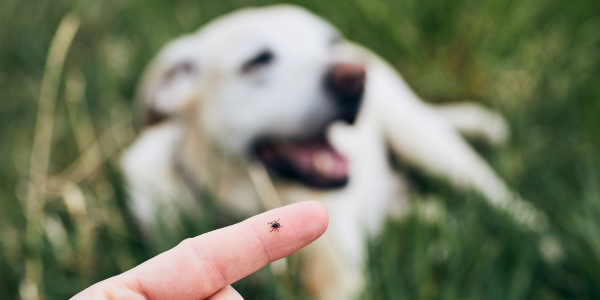
STAY ONE STEP AHEAD OF FLEAS, TICKS AND MITES
Fleas, ticks and mites are among the most common parasites affecting pets in the UK. Not only can they cause irritation and discomfort for our furry companions, but some can also transmit disease and pose a risk to human health. The good news is that with modern preventative treatments and regular checks, these unwelcome visitors can often be stopped before they become a problem.
FLEAS: TINY INSECTS, BIG HEADACHES
Fleas are tiny, wingless insects that feed on the blood of pets and wildlife. They reproduce rapidly, laying hundreds of eggs that can quickly lead to a household infestation.
Fleas are often difficult to spot because they are small and fast-moving. You may be more likely to find “flea dirt” (flea droppings), which appears as tiny dark specks in your pet’s coat. Some pets, particularly cats, groom excessively when affected, removing evidence of fleas before they can be seen.
The best way to prevent an infestation is regular use of an effective flea treatment. Once fleas become established in the home, eradication can take several weeks. Many flea treatments are available, but not all products are equally effective.
TREATING A FLEA INFESTATION
All pets in the household should be treated with an effective flea product. The home must also be treated, as around 95% of the flea population exists in the environment rather than on your pet.
Flea pupae are protected by a tough cocoon, making them resistant to many treatments. These pupae must hatch before they can be eliminated, which is why infestations can take time to clear.
To help eliminate fleas:
- Turn up the heating to encourage faster hatching.
- Vacuum regularly to remove fleas and stimulate pupae to emerge.
- Wash pet bedding (and any bedding pets use) on a hot cycle.
- Treat carpets and furniture with a suitable flea spray, following instructions carefully.
- Don’t forget to treat carpets and upholstery in the car.
Flea Allergic Dermatitis (FAD)
This is where the pet becomes allergic to flea saliva. Every time a flea bites it causes intense irritation. This leads to intense scratching and scabs especially around the head and neck and at the base of the tail. Often the pet, especially cats, will pull out a lot of fur with resulting bald areas.
TICKS: TINY PESTS, BIG PROBLEMS
Ticks are especially common in wooded areas, grassy fields and moorland – exactly the sort of places many dogs love to explore. Different species of ticks feed on a variety of animals, including sheep, deer and hedgehogs, meaning pets that spend time outdoors are more likely to encounter these blood-feeding parasites.
What to look out for:
- A tick may appear as a small grey, brown or black lump attached to your pet’s skin.
- Ticks are commonly found around the head, ears, neck and legs.
- As they feed, they swell in size and can become much easier to spot.
- Pets may not always show signs of discomfort, so regular checks are important.
Tick-borne diseases in the UK and abroad
Ticks can transmit a range of diseases. In the UK, Lyme disease (borreliosis) is the most recognised tick-borne illness. Pets travelling abroad may be exposed to additional diseases, including babesiosis and ehrlichiosis, which can have serious health consequences. If you’re planning to travel with your pet, speak to your vet well in advance to ensure appropriate parasite protection is in place.
Prevention and removal
Effective parasite prevention remains the best defence against ticks. Dogs receiving our annual flea and tick protection injection benefit from continuous protection throughout the year, helping to reduce the risk of tick infestations and tick-borne disease.
If you find a tick attached to your pet:
- Remove it as soon as possible using a tick-removal tool.
- Ensure the tick’s mouthparts are removed completely.
- Avoid squeezing, twisting or pulling the tick with your fingers or ordinary tweezers, as this may increase the risk of irritation or infection.
- Contact us if you’re unsure how to remove it safely.
MITES: TINY PARASITES, BIG IRRITATION
Mites are tiny parasites that live on or within the skin. Although most cannot be seen with the naked eye, their effects can be significant. Infestations often lead to intense itching, scratching, inflammation and skin damage, leaving pets extremely uncomfortable.
Common mites seen in pets include:
- Sarcoptes (Scabies or Fox Mange)
Causes severe itching and is highly contagious between dogs. It can occasionally affect humans. - Ear Mites (Otodectes)
Common in puppies and kittens, causing itchy ears and a dark, waxy discharge. - Cheyletiella (Walking Dandruff)
Produces flaky skin and irritation along the back. It can occasionally be transmitted to people. - Harvest Mites
Bright orange mites most commonly seen during late summer and autumn, often affecting the feet, face and tummy after walks through long grass. - Demodex
Normally lives within hair follicles and oil glands. These mites are not contagious but can cause skin problems when a pet’s immune system is compromised.
Getting the right diagnosis and treatment
Mite infestations can be difficult to diagnose without veterinary examination, and treatment varies depending on the species involved. If your pet is scratching excessively, developing hair loss, or showing signs of sore or inflamed skin, it’s important to seek veterinary advice.
Early diagnosis and treatment can help prevent discomfort and more serious skin problems from developing.
STAY VIGILANT, STAY PROTECTED
Parasites may be small, but they can have a big impact on your pet’s health and wellbeing. Regular checks, effective prevention and prompt treatment are the best ways to keep your pet protected.
With our reminder service and prescription-strength parasite prevention, staying on top of fleas, ticks and worms has never been easier. We offer a range of options, including spot-on treatments, three-monthly tablets and our increasingly popular annual flea and tick injection for dogs.
Our 365 Care Plan includes year-round parasite protection from just £21 per month, plus a host of additional benefits and savings. Ask a member of our team about joining and spreading the cost of your pet’s preventative healthcare.
Remember: preventing an infestation is always easier than treating one!