
REDUCING THE IMPACT OF E. COLI MASTITIS ON YOUR HERD
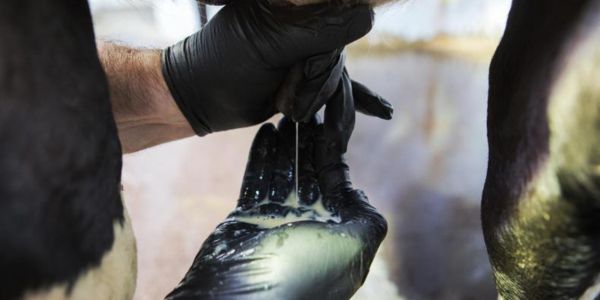
Mastitis remains one of the most expensive diseases in dairy cattle, typically costing £250–£300 per case. E. coli mastitis has been shown to reduce milk production by around 15%, equating to approximately 200 litres per cow per lactation, Clinical signs range from mild changes in milk to rapidly developing toxic mastitis which all to commonly can result in death.
E. coli is generally considered an environmental pathogen with infection resulting from bacteria in the cow’s environment gaining access to the udder. E. coli is commonly found in the gut of healthy cows and passed into the cow’s environment in faeces. In order to cause mastitis, E. coli must first gain access to the teat end then migrate up the teat canal and finally become established in the udder.
REDUCING THE CHANCES OF E.COLI
Bedding choice significantly influences the ability of the bacteria to multiply, with sand being lowest risk. Whilst sand beds still need to be maintained it is much more difficult for bacteria to multiply in it. Organic materials such as sawdust or straw can work well but it’s vital that they are clean and dry before applying, moisture is important for bacteria to multiply.
Bedding conditioners such as lime have been found to reduce E. coli’s ability to multiply by drying the bed and raising the pH, but the action is short lived; 24-48 hours. So generally, they need to be applied daily.
Dietary issues that cause loose faeces lead to dirtier udders. Rapid ration changes and SARA are common contributors. Vitamin E and selenium deficiencies weaken immunity and increase severity.
Historically we’ve often seen a higher incidence of severe toxic cases in robotic milking systems. Newer designs and management strategies have gone a long way to reduce the risks. The increased risk is thought to be caused by a number of factors including, the potential for irregular milking intervals in some cows, the ability of the robot to deal with more severe teat contamination during the premilking prep and footbathing immediately exiting the robot splashing teats. Generally, most of these issues can be overcome with changes to robot setup or routine.
There is a commercial vaccine available in the UK, Startvac® which has been shown to reduce severity of E. coli, mastitis. Though it does not reduce the number of cases., it is a useful tool in herds struggling with severe cases as significantly more of the cases only present with milk changes.
TREATMENT
Rapid treatment is vital as mild cases can quickly become toxic.
Recommended approach:
Anti-inflammatories (NSAIDs) and fluids are the mainstays of therapy. All cases should receive an NSAID such as Metacam or Ketofen to reduce inflammation and oral fluids. Severe cases often benefit from intravenous fluids, traditionally reserved for recumbent cases, we’ve seen improved responses from dripping standing cows with severe E. coli. Oxytocin can help with milking out, reducing the amount of toxin the cows is exposed to. Frequently the cows are also low in calcium and so supplementation may be beneficial. Antibiotic use in these cases remains controversial but is generally indicated in more severe cases as bacteria can be found in the blood of up to 30% of cases.
CONCLUSION
E. coli mastitis is common across dairy farms, but risk can be significantly reduced through clean bedding, good hygiene, nutritional stability, and proactive management. Early treatment greatly improves outcomes, and vaccination can help reduce severity on affected farms.